
Arenaria provincialis
Arenaria provincialis
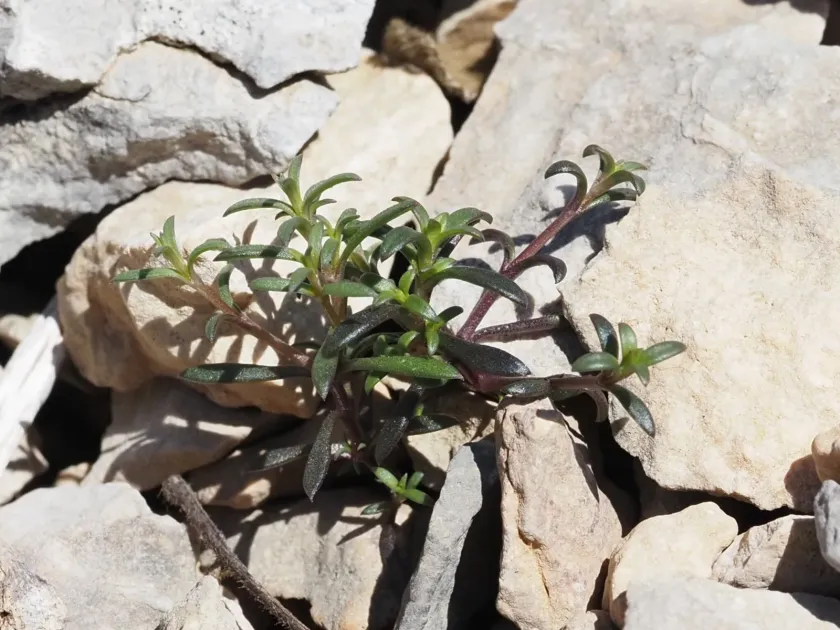
Description
Sowing dates
Arenaria provincialis is a perennial herb belonging to the Caryophyllaceae family. In cultivation, sowing is typically recommended during the autumn months to ensure that the seeds undergo a natural period of cold stratification, which is vital for uniform germination.
If sowing is planned for the spring, seeds must be subjected to artificial cold stratification for approximately 4 to 6 weeks. A stable, cool temperature range of 10 to 15 degrees Celsius is ideal for triggering the development of the embryos.
Seeds are quite fine, requiring shallow sowing methods. They should be pressed gently into the substrate without significant covering, as they require a certain amount of exposure to light to sprout successfully.
For ornamental purposes, spacing should be set at approximately 15 to 20 centimeters between individual plants. Growth is characteristically slow during the initial establishment phase, requiring diligent weeding to prevent competition from vigorous weeds.
Germination can be erratic, reflecting the wild nature of the species. Consistent moisture levels in the top layer of the soil must be maintained during the first few weeks, taking care to avoid waterlogging the delicate seedlings.
Growing requirements
This species thrives in well-drained, sandy or rocky soil types with a neutral to slightly alkaline pH. It is well-adapted to nutrient-poor soils and generally does not require intensive fertilization for healthy growth.
Full sun exposure is a critical requirement for this plant. Arenaria provincialis requires a high intensity of light; growing it in shaded areas often results in etiolated stems and a significant reduction in flower production.
The plant is highly drought-tolerant but extremely susceptible to root rot caused by stagnant water. Excellent drainage is non-negotiable, and planting in raised beds or rocky slopes can help prevent moisture accumulation around the crown.
Arenaria provincialis is resilient to temperate climates and demonstrates good winter hardiness. In regions prone to severe winters without reliable snow cover, providing a light protective layer of mulch or evergreen boughs can prevent winter damage.
Routine maintenance should be minimal. Excess nitrogen fertilization should be strictly avoided, as it encourages weak vegetative growth, making the plants more susceptible to environmental stress and reducing their overall lifespan.
Main diseases and pests
The primary threats to this culture are fungal diseases, which are almost exclusively tied to improper moisture management. Root and crown rots are the most common issues arising from poor soil drainage or excessive irrigation.
Powdery mildew may occur on the foliage during periods of high humidity and stagnant air. Management involves improving air circulation around the plants and using systemic fungicides if an outbreak is identified early.
Pests such as aphids and spider mites can occasionally affect the plants, particularly during hot and dry spells. These pests feed on the cell sap of young shoots and should be monitored during routine garden inspections.
Slugs and snails may present a challenge during wet growing seasons, often feeding on the succulent foliage. Physical barriers or eco-friendly molluscicides are effective ways to protect the plants from these gastropods.
Maintaining a clean, weed-free environment and strictly following correct watering protocols significantly reduces the incidence of disease. A well-cared-for plant in an optimal location will remain robust and largely pest-free.