
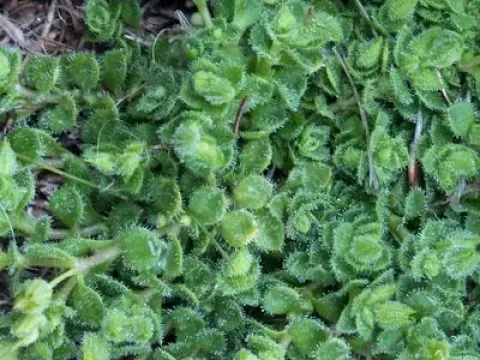
Arenaria marschlinsii
Arenaria marschlinsii
Arenaria marschlinsii is a perennial herbaceous plant belonging to the Caryophyllaceae family, typically found in alpine regions of Europe. In agricultural and horticultural practices, the cultivation begins with sowing seeds in early spring, once the soil has warmed to approximately 10–12 degrees Celsius.
What the section contains
Arenaria marschlinsii
To ensure high germination rates, seeds often require a period of cold stratification lasting 3–4 weeks. This process mimics the natural alpine conditions, breaking the seed dormancy and promoting healthy, vigorous sprout development immediately after planting.
The seeds should be sown on the surface of a light, well-draining substrate, as they require light to germinate. Covering the seeds with a very thin layer of fine sand or vermiculite is sufficient to keep them in place while allowing necessary light exposure.
Seedlings are typically transplanted to their permanent locations once they develop several pairs of true leaves. Spacing between plants should be maintained at 15–20 centimeters to allow for the formation of dense, uniform mats without excessive inter-plant competition.
Proper hydration is crucial during the germination phase. While adult plants are drought-tolerant, young seedlings must be kept consistently moist but never waterlogged, as the roots are highly sensitive to oxygen deficiency during early development stages.
The primary requirement for successful cultivation of Arenaria marschlinsii is a well-draining soil profile. Sandy or rocky substrates are ideal, as any water stagnation can rapidly lead to root rot and loss of the crop, making drainage the most critical factor.
This species thrives in full sun exposure. Adequate light is essential to maintain the plant's characteristic compact growth habit and to stimulate prolific flowering. Shady conditions typically lead to elongated, weak stems and lower flower density.
The soil should have a neutral to slightly alkaline pH level. On excessively acidic soils, the plants may show reduced vigor and susceptibility to environmental stressors, necessitating the application of lime as a corrective measure before planting.
Arenaria marschlinsii is highly adapted to nutrient-poor soils. It does not require intensive fertilization; in fact, over-fertilization, especially with nitrogen, can promote excessive leaf growth at the expense of root stability and disease resistance.
The plant demonstrates excellent winter hardiness. In regions with frequent freeze-thaw cycles, covering the root zones with fine grit or gravel can protect the crowns from moisture damage, ensuring the plant remains healthy until the next growing season.
Root rot caused by stagnant moisture is the most significant threat to this crop. Ensuring the planting site has excellent drainage and removing debris from the base of the plant can significantly mitigate this risk during the dormant and early spring seasons.
Pests such as root-feeding insects can cause damage during hot summer months. Regular monitoring and maintaining a healthy root zone through proper soil management are the best preventative measures against soil-borne infestations.
Gastropods, including slugs and snails, can severely damage the foliage of young plants. Setting up protective barriers or using organic molluscicides around the perimeter of the planting area can keep damage levels below the economic threshold.
Fungal leaf spots may occur during periods of prolonged high humidity. Improving airflow around the plant by maintaining appropriate spacing is the most effective cultural method to prevent the spread of foliar pathogens.
- Ensuring optimal soil drainage;
- Monitoring for early signs of root distress;
- Implementing proper spacing for better ventilation.