
Arenaria lanuginosa
Arenaria lanuginosa
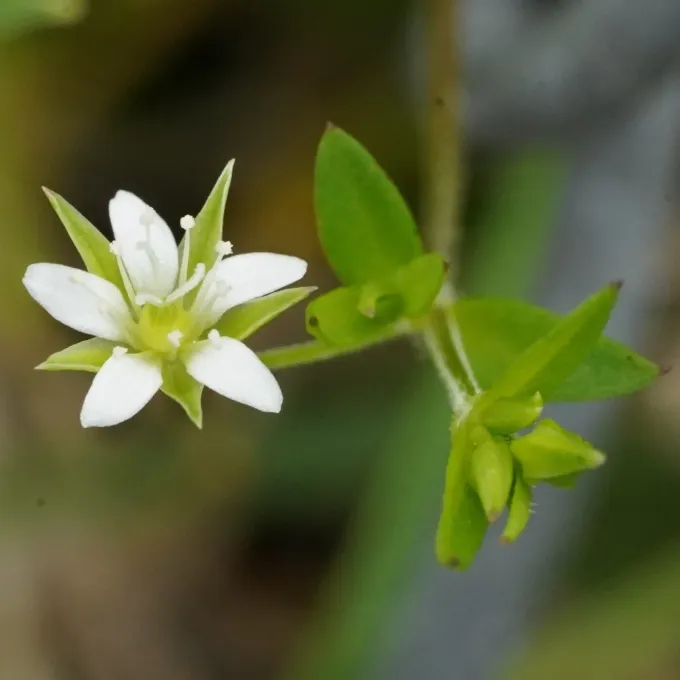
Description
Growing requirements
Arenaria lanuginosa, a member of the Caryophyllaceae family, is a herbaceous perennial known for its resilient nature. It is widely distributed across various habitats in the Americas, showing significant adaptability to different environmental stressors.
The plant thrives in well-drained, sandy, or light loam soils. A crucial agronomic requirement for this culture is the prevention of water stagnation, as the root system is highly sensitive to hypoxia caused by excessive soil moisture.
This species exhibits a flexible response to light conditions, effectively photosynthesizing in both full sunlight and partial shade. This versatility makes it a valuable asset for various types of managed landscapes and garden projects.
Regarding soil fertility, Arenaria lanuginosa prefers a neutral to slightly acidic pH. It does not require high concentrations of fertilizers, and excessive nitrogen application can lead to weak, elongated stems, reducing the plant's aesthetic and structural integrity.
Its botanical structure includes fine, pubescent stems and leaves, which serve as an adaptation to minimize water loss. The plant grows in a spreading habit, allowing it to cover ground effectively and outcompete opportunistic weed species.
Main diseases and pests
The primary pathological threats to this culture are fungal pathogens, specifically those causing root and crown rot. These infections are almost exclusively associated with improper drainage and overly saturated soil conditions.
Powdery mildew is a common foliage issue, especially in stagnant air or humid climates. Maintaining proper spacing between plants is essential for promoting airflow and reducing the likelihood of fungal spore germination.
Spider mites represent the most significant pest risk during dry, warm periods. These pests can rapidly colonize the foliage, leading to yellowing and premature drying of the plant tissues if not managed early.
Snails and slugs are known to feed on the tender growth of the plant during the spring. Implementing mechanical barriers or using targeted molluscicides is effective in protecting the plant during its initial growth stages.
Integrated pest management protocols, including regular field inspections and the removal of infected debris, are recommended to maintain plant health and prevent the spread of diseases throughout the growing season.