
Arenaria modesta
Arenaria modesta
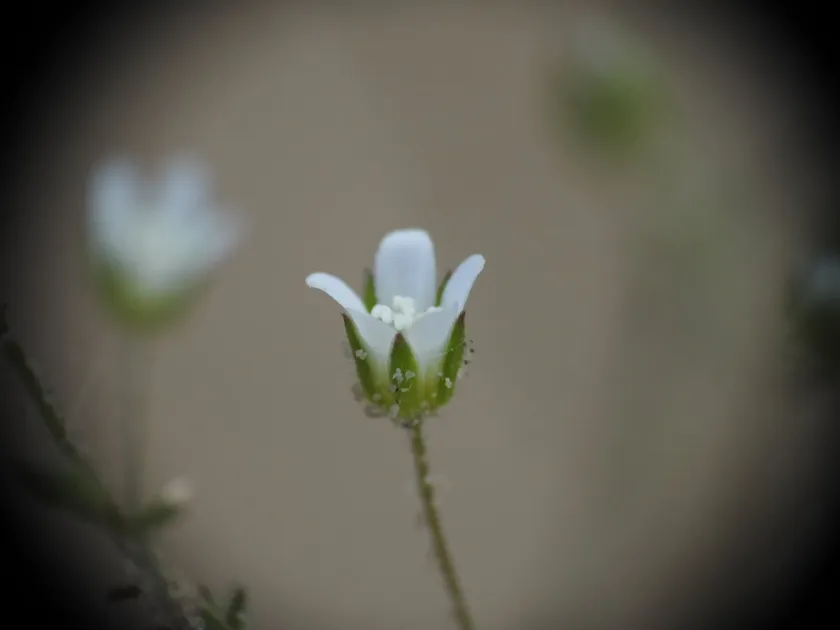
Description
Sowing dates
Arenaria modesta is an annual herbaceous plant whose life cycle is closely linked to the rhythmic changes in the European and Mediterranean climate. Seeds typically germinate during the late autumn or early spring period, allowing the plant to develop a rosette before the onset of summer heat.
Under natural conditions, reproduction occurs primarily via seeds after the fruit-bearing phase is completed. Successful germination requires stratification in cool, moist conditions characteristic of the early spring season in temperate regions.
When planting in controlled environments, it is essential to consider the small size of the seeds, which require only a light covering of substrate. Using light, sandy soils minimizes the risk of rot affecting the young seedlings during their early development.
The optimal time for the beginning of the growth phase occurs when nighttime temperatures reach approximately 5–10 degrees Celsius. Intense light exposure is a critical factor for the development of a healthy root system during the initial stages.
Moderate watering during the active growth phase promotes the development of strong, sturdy stems. The plant is sensitive to waterlogging, making proper drainage a crucial factor in the survival of the crops.
Growing requirements
This species belongs to the Caryophyllaceae family and exhibits high adaptability to nutrient-poor, rocky, and sandy substrates. The plant prefers well-drained areas where the stagnation of rainwater or meltwater is entirely avoided.
Arenaria modesta is a light-loving culture that requires placement in open, sunny locations. A lack of sufficient sunshine often leads to stem elongation, loss of natural beauty, and a significant decrease in overall plant vitality.
The ideal soil composition should be neutral or slightly acidic, with a high percentage of sand and small gravel fractions. Excessive organic matter is not recommended and can negatively affect growth by triggering root rot.
Climatic requirements include moderate rainfall during the spring season. The plant possesses a degree of resilience to short-term droughts due to its physiological adaptation to life in dry, arid habitats.
When cultivating, it is necessary to avoid excessive nitrogen-based fertilizers. A balanced mineral background is sufficient to maintain a steady growth rate without the risk of stems falling over.
Main diseases and pests
The main threats to Arenaria modesta under high-humidity conditions are fungal diseases, such as powdery mildew and various types of root rot. The development of these pathogens is often triggered by excess moisture in the root zone.
Pests such as spider mites can cause damage during periods of intense heat and dry air. Regular visual inspections and maintaining optimal microclimate conditions allow for effective control of insect populations.
Aphids can damage young shoots during the flowering phase by extracting sap from the tissues, which inhibits the development of reproductive organs. Biological control methods are preferred for managing these infestations.
Competing weeds create pressure for light and nutrients. Timely weeding is necessary to ensure proper soil aeration and to prevent the spread of infections throughout the cultivation area.
Overcrowding of the plants can create a favorable environment for the rapid spread of pests and diseases. Maintaining an optimal planting distance is a vital practice for preventing plant-to-plant transmission of pathogens.