
Arenaria merckioides
Arenaria merckioides
Description
Growing requirements
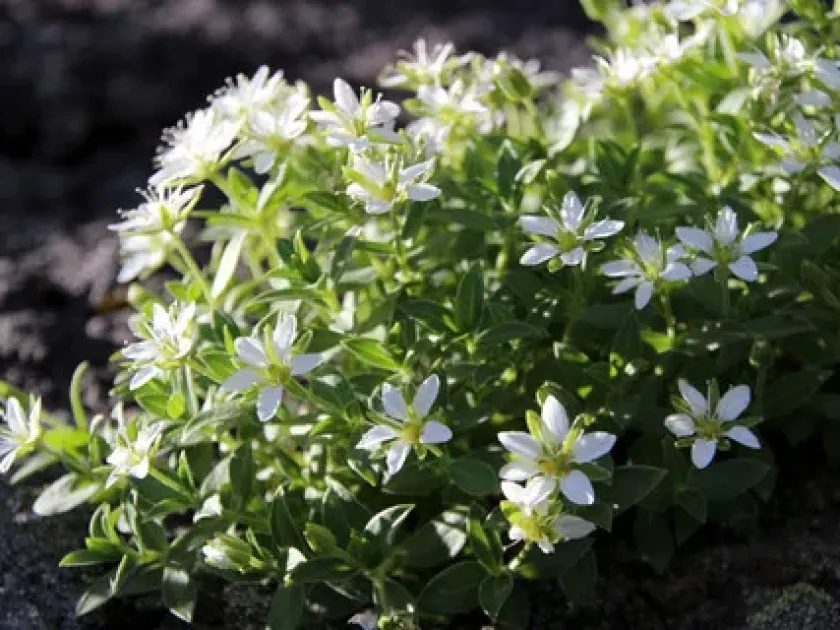
Arenaria merckioides is a distinct member of the Caryophyllaceae family, known for its resilience in high-altitude environments. This herbaceous perennial plant displays a cushion-forming growth habit, which is highly efficient for surviving in harsh, rocky terrains and thin alpine soils.
The botanical structure of this species features small, succulent-like leaves and strong taproots that allow it to anchor securely in stony substrates. It is a slow-growing plant that thrives in environments where most typical garden crops would struggle due to nutrient deficiency.
To cultivate Arenaria merckioides successfully, one must replicate its natural rocky habitat. This requires a gritty, highly porous soil mix that ensures rapid water drainage. Any accumulation of water around the roots will inevitably lead to physiological decay and rapid plant mortality.
Sunlight requirements are absolute: this plant needs full sun to maintain its compact form. It is highly sensitive to competition from faster-growing weeds, so consistent manual weeding is a fundamental part of the maintenance program for this crop.
Fertilization should be kept to an absolute minimum. In its native alpine range, the plant is adapted to nutrient-poor soils; an excess of organic matter or nitrogenous fertilizers will cause the plant to become soft and susceptible to environmental stress and disease.
Main diseases and pests
Root rot caused by stagnant moisture is the primary disease threatening Arenaria merckioides. This fungal issue often originates at the crown of the plant, especially if the soil is too rich or if irrigation is applied during high humidity periods.
Damping-off disease can be a significant issue for seedlings or young plants if the growing medium is contaminated. Ensuring the use of sterilized grit or sand as a top-dressing helps in protecting the base of the stems from direct contact with wet soil.
Aphids can occasionally colonize the dense cushions of the plant, hiding deep within the foliage. Their feeding can cause chlorosis and stunt the growth of the plant, necessitating careful inspection during the active growing season.
Slugs and snails are notorious for causing damage to succulent foliage in damp weather. Protective measures, such as creating a perimeter of crushed rock or utilizing eco-friendly barriers, are necessary to prevent these pests from reaching the main plant body.
Proper sanitation is the most effective defense strategy. By promptly removing dead foliage and maintaining optimal airflow around the plant, growers can significantly reduce the risk of both fungal infections and infestations by sap-sucking insects.