
Arenaria leucadia
Arenaria leucadia
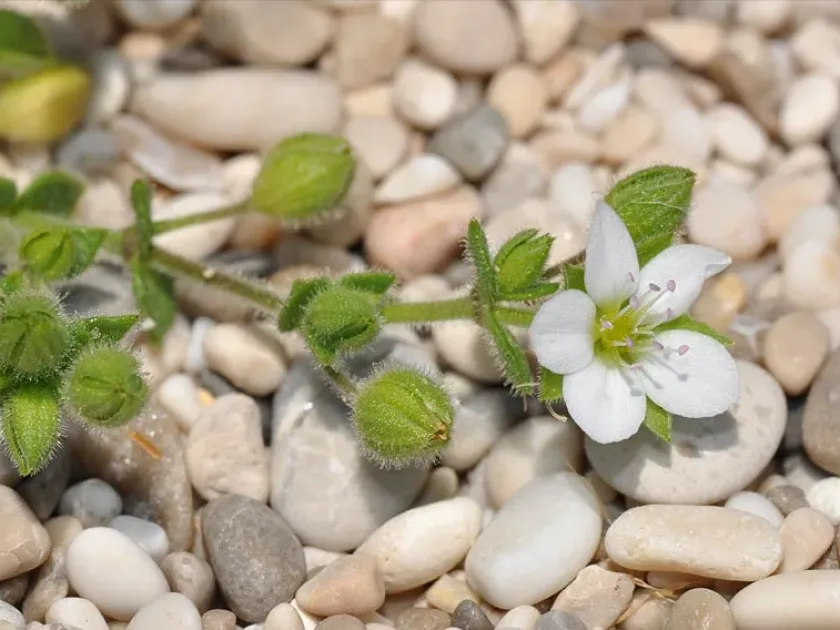
Description
Sowing dates
Arenaria leucadia is a perennial herbaceous plant belonging to the Caryophyllaceae family. The propagation process typically involves sowing seeds in the early spring, once the soil has warmed sufficiently to support germination.
Seeds should be sown in a well-draining, lightweight substrate. Given the small size of the seeds, they should be covered only lightly with soil or sand, as light is often a necessary trigger for their germination process.
Indoor sowing in trays is a common practice to ensure higher success rates and protection from unpredictable weather conditions. The seedlings are then hardened off and transplanted into the permanent site after the risk of frost has passed.
A sowing density that allows for proper spacing is crucial for the development of each plant. Maintaining a distance of 20 to 30 centimeters between specimens ensures that the plants have enough space to form healthy, dense mats.
Soil temperature and moisture must be monitored consistently during the initial weeks of seedling establishment. Once the root system is well-developed, the plant demonstrates improved resilience to environmental fluctuations.
Growing requirements
The primary requirement for Arenaria leucadia is full sun exposure. The species performs best in bright, open locations and does not tolerate competition from taller plants that might shade it during the growing season.
The plant thrives in sandy, rocky, or gravelly soils that provide rapid drainage. It is highly sensitive to waterlogged conditions, which can lead to quick decay of the root system, making site selection the most important factor in its cultivation.
As a drought-tolerant species, it does not require frequent irrigation once established. However, during periods of extreme drought, supplemental water can improve growth rates and ensure a more abundant flowering display.
Soil pH should preferably be neutral or slightly alkaline. In acidic soil conditions, amendments such as lime may be required to optimize nutrient availability and promote overall plant health and longevity.
The climate requirements of Arenaria leucadia are generally suited to Mediterranean or temperate regions. While the plant is cold-hardy, protection from severe winter winds and heavy ice accumulation is advisable in colder geographical zones.
Main diseases and pests
Root rot is the most significant pathological threat to Arenaria leucadia. This condition is primarily caused by poor drainage or excessive water, which creates an anaerobic environment favorable for pathogenic soil-borne fungi.
Powdery mildew can occur during periods of high humidity and poor air circulation. This fungal disease manifests as a white, powdery coating on the foliage, which can impair photosynthesis and reduce the plant's ornamental appeal.
Slugs and snails are common pests that feed on the succulent foliage of the plant. They are most active during moist weather and can cause extensive cosmetic damage if left unchecked by integrated pest management practices.
Spider mites represent a potential threat during prolonged dry and hot spells. These microscopic pests feed on the sap of the leaves, causing chlorosis and a decline in vigor, which necessitates periodic monitoring of the plants.
Effective pest and disease control relies on maintaining a clean environment around the plantings. This includes the removal of dead vegetation and ensuring sufficient spacing to promote air circulation throughout the foliage.