
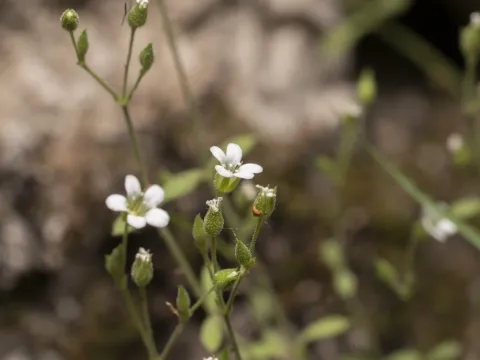
Arenaria deflexa
Arenaria deflexa
Arenaria deflexa belongs to the family Caryophyllaceae, known for its adaptability to challenging environments. This plant is primarily recognized for its ability to thrive in rocky and nutrient-poor terrains.
What the section contains
Arenaria deflexa
The morphology of the plant involves prostrate growth, which allows it to cover the soil surface effectively, acting as a natural mulch and soil stabilizer.
Agronomic cultivation requires well-drained soil to mimic the natural rocky habitats where this species originated. It does not tolerate waterlogging, which is a major factor in plant mortality.
Environmental requirements include a high exposure to sunlight and moderate thermal conditions, as excessive shade will inhibit the plant's natural growth pattern and vigor.
Soil pH should ideally be neutral or slightly alkaline. In terms of nutrition, the plant is relatively undemanding but benefits from small additions of minerals in early spring.
Root rots are the most significant threats to Arenaria deflexa. These are typically triggered by excessive irrigation or lack of proper drainage in the field.
Pests such as spider mites may colonize the plants during extended periods of heat and drought, leading to chlorosis and potential loss of biomass if untreated.
Fungal diseases like powdery mildew occur when the air circulation is inadequate. Maintaining proper spacing between rows is essential to mitigate this risk.
Weed competition is particularly critical during the seedling stage, as the plant grows slowly until it establishes its root system in the substrate.
Integrated pest management, including regular crop rotation and physical weed control, remains the most effective strategy for ensuring healthy plant development.