
Arenaria filicaulis
Arenaria filicaulis
Description
Growing requirements
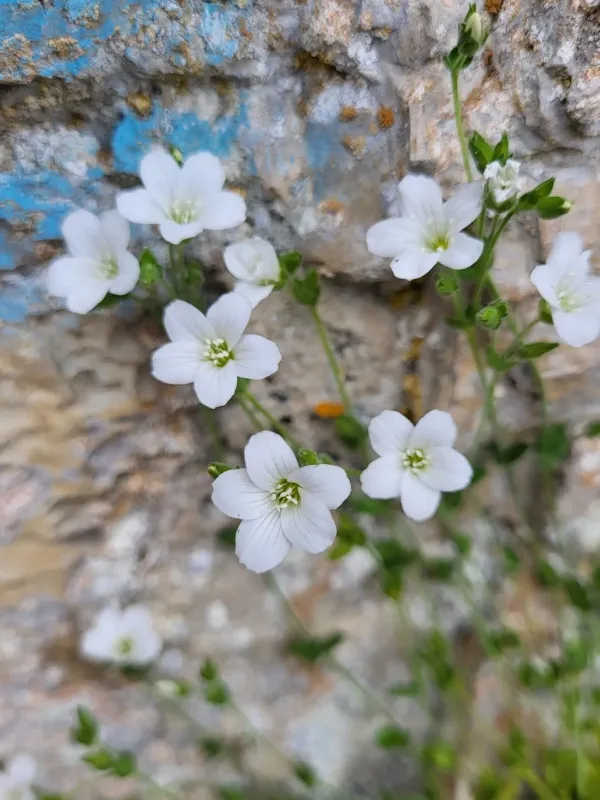
Arenaria filicaulis, a member of the Caryophyllaceae family, is a perennial herbaceous plant recognized for its slender, thread-like stems. This species is highly valued for creating fine-textured groundcovers in rock gardens and specialized alpine landscapes.
Native to mountain regions, this plant thrives in gritty, well-draining soils that mimic its natural habitat. It performs exceptionally well in sandy substrates where water does not accumulate around the crown, preventing moisture-related stress.
The cultural requirements are centered on full sun exposure, which is necessary to maintain the compact, dense growth habit of the plant. Lack of sunlight causes the stems to elongate and lose their attractive, cushion-like appearance.
Regarding soil fertility, Arenaria filicaulis prefers low-nutrient conditions. Excessive fertilization can result in weak, spindly growth, making the plant more susceptible to environmental stress and opportunistic pathogens.
Maintenance is relatively low, focusing on ensuring proper drainage and monitoring moisture levels during extreme heat. It is a resilient plant once established, requiring little intervention beyond seasonal cleanup of debris.
Main diseases and pests
The primary threats to this plant are fungal pathogens, specifically those causing root rot and damping-off, which occur in poorly drained, soggy soil conditions. Improving soil porosity is the most effective preventative measure.
Powdery mildew can affect the plant during periods of high humidity and poor air circulation. Symptoms appear as a white, dusty coating on the foliage, which can be managed with approved fungicides.
Insect pests such as aphids may congregate on the tips of the stems during the flowering season. While rarely fatal, heavy infestations can weaken the plant and hinder its aesthetic appeal.
Soil-borne nematodes represent a more severe, albeit less frequent, threat that targets the root system. Affected plants typically show signs of general decline and stunted growth, which are difficult to reverse.
To keep the plants healthy, it is essential to practice good garden hygiene, which includes removing dead plant tissue and ensuring adequate spacing to promote ventilation across the planting site.