
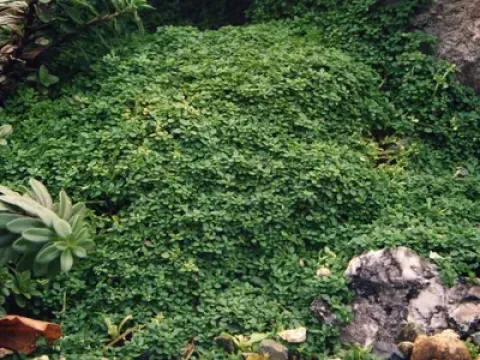
Arenaria conferta
Arenaria conferta
Arenaria conferta, commonly known as a type of sandwort, is a herbaceous perennial plant belonging to the Caryophyllaceae family. It is typically found in mountainous regions and rocky alpine habitats.
What the section contains
Arenaria conferta
Botanically, this species is defined by its compact, cushion-forming growth habit. It develops dense mats of small, densely arranged leaves that provide high aesthetic value in rock gardens.
To cultivate this species successfully, it is critical to provide soil that offers excellent drainage. A gritty, sandy, or rocky substrate is preferred to replicate its natural alpine environment.
Sunlight requirements are high for this plant. It thrives in full sun exposure, which ensures the maintenance of its tight form and encourages the development of numerous small flowers.
Temperature tolerance is robust, as the plant is adapted to cool, exposed environments. It generally does not require extensive winter protection, provided the site does not accumulate standing water.
The most significant threat to Arenaria conferta is root rot caused by poor soil drainage. Keeping the root zone constantly wet will inevitably lead to plant decline and death.
Fungal issues such as powdery mildew can occur during periods of high humidity and stagnant air. Proper spacing is essential to ensure adequate airflow around the cushion foliage.
Pests such as spider mites may occasionally become an issue during hot, dry summer months. These pests can be managed by ensuring the plant remains sufficiently hydrated during stress periods.
Mechanical damage from competing weeds is a concern during the establishment phase. Regular weeding is necessary to prevent invasive species from overpowering the slow-growing cushions.
Integrated pest management, including monitoring and cultural practices like proper site selection, is usually sufficient to maintain the health of the plants without heavy reliance on chemicals.