
Arenaria grandiflora
Arenaria grandiflora
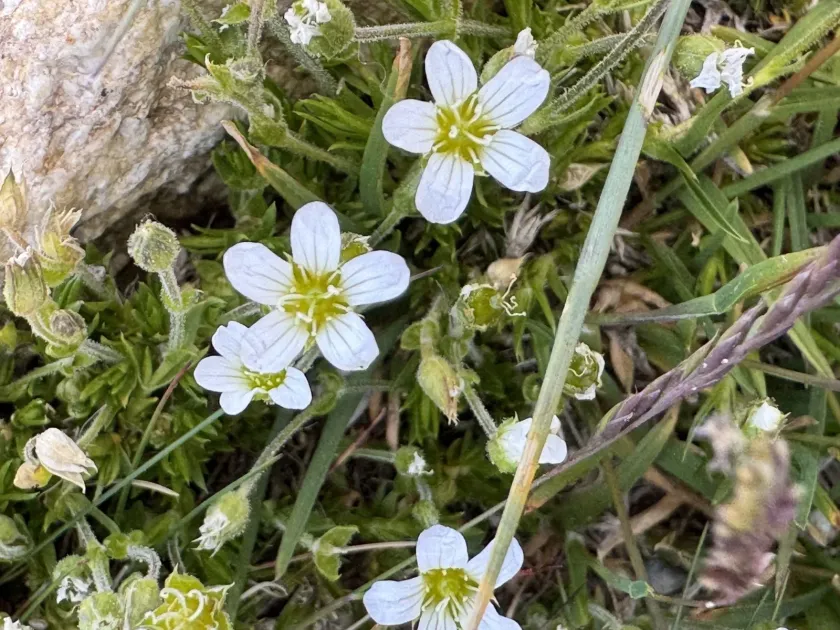
Description
Sowing dates
The sowing of Arenaria grandiflora is most successful when performed in early spring as soil temperatures begin to rise. The seeds are small and should be sown onto the surface of a light, well-draining seed-starting mix, barely covered to ensure they receive sufficient light for germination.
Cold stratification is highly recommended for this species. Placing seeds in a moist medium at low temperatures for several weeks mimics their natural environment and significantly improves the overall germination rate.
When starting seeds indoors, ensure that the containers are placed in a bright area. Proper air circulation is vital to prevent the development of damping-off disease, which can quickly devastate young seedlings in humid conditions.
Transplanting should be done carefully once the plants have developed strong root systems. Arenaria grandiflora is sensitive to root disturbance, so using biodegradable pots or carefully removing the plant from the container is advised.
Space the plants approximately 20-30 centimeters apart to allow for proper airflow around the spreading mats. This spacing helps prevent the center of the plant from becoming overly dense and trap moisture.
Growing requirements
Arenaria grandiflora thrives in full sun exposure. It is a plant that demands high light intensity to maintain its characteristic compact, carpet-like growth habit and to produce an abundance of white, star-shaped flowers.
The ideal soil for this crop is lean, gritty, and exceptionally well-draining. It performs exceptionally well in rock gardens or sandy landscapes where other more demanding species would struggle due to moisture retention.
This species is highly drought-tolerant once established. It requires minimal supplemental watering, making it an excellent choice for xeriscaping or low-maintenance garden designs in arid regions.
The soil pH should ideally be neutral or slightly alkaline. In areas with naturally acidic soil, the application of crushed limestone can help create the optimal growing conditions required by this Caryophyllaceae member.
Winter hardiness is a strong feature of this species. It is well-adapted to surviving cold winters, provided that the soil remains well-drained and the plants are not subjected to standing water during freeze-thaw cycles.
Main diseases and pests
The primary health risk for Arenaria grandiflora is root rot, which is almost exclusively caused by poorly drained soil or excessive irrigation. Improving the drainage profile of the site is the best preventative measure.
Spider mites can occasionally infest the plants during periods of prolonged drought and intense heat. Their presence is usually marked by fine webbing and stippling on the leaves, which can be managed with biological controls or targeted sprays.
Aphids may occasionally target new, tender growth during the spring season. While generally not lethal, heavy infestations can weaken the plants and reduce their aesthetic value, requiring prompt intervention.
Fungal leaf spots can occur if the humidity around the foliage remains too high for extended periods. Ensuring good spacing and avoiding overhead watering helps to keep the leaves dry and healthy.
Regular maintenance, including the removal of dead foliage after the flowering season, helps keep the plant canopy healthy and prevents the accumulation of debris that could foster disease development.