
Arenaria cerastioides
Arenaria cerastioides
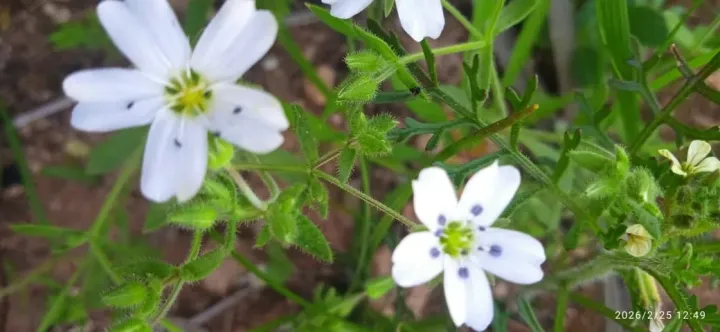
Description
Sowing dates
Propagation of Arenaria cerastioides is typically achieved through seed germination or vegetative division of mature clumps. Sowing seeds indoors during late winter ensures that seedlings are well-established before transplanting into the field.
For direct outdoor sowing, seeds should be broadcast over prepared soil in early spring once the threat of frost has passed. Because the seeds are small, they require light for germination and should only be lightly pressed into the surface rather than buried deep.
Vegetative division is best performed in early spring or immediately after the flowering cycle. Dividing the parent plant into smaller sections encourages rejuvenation and provides a faster way to cover open spaces compared to starting from seed.
Spacing between plants should generally be around 20–30 centimeters. This distance is vital to promote adequate airflow between individual plants, which significantly reduces the risk of moisture-related rot during humid months.
After planting, consistent moisture is necessary until roots are established. Once the plant has adapted to its environment, it demonstrates high drought tolerance, making it suitable for low-maintenance garden layouts and xeriscaping.
Growing requirements
Belonging to the Caryophyllaceae family, this species thrives in environments that mimic its natural mountainous habitat. It requires excellent drainage and a substrate that does not retain excessive moisture.
The ideal soil profile for Arenaria cerastioides consists of sandy or rocky components with a neutral to slightly alkaline pH. Heavy clay soils are generally unsuitable unless amended with significant amounts of grit to improve permeability.
This plant prefers full sun exposure to maintain its compact growth habit and prolific flowering. In shaded areas, the plant tends to become leggy and less vibrant, which diminishes its ornamental value and overall vigor.
Regarding climate, the species is cold-hardy and capable of enduring significant temperature fluctuations. However, it requires protection from waterlogging during the dormant winter period to prevent damage to the crown.
Fertilization should be kept to a minimum. Excess nitrogen often leads to weak, succulent foliage that is more susceptible to environmental stress and pests, thereby counteracting the natural hardiness of the plant.
Main diseases and pests
The most significant threat to the health of this species is crown and root rot, which typically develops in stagnant conditions where moisture remains trapped around the base of the plant for extended periods.
Pests such as aphids and spider mites may occasionally infest the foliage, particularly if the plant is under stress from drought or nutrient imbalances. Regular inspection is recommended to identify issues at an early stage.
Slugs and snails can cause cosmetic damage by feeding on tender leaves. Implementing a mulch layer of coarse gravel around the plants acts as an effective mechanical barrier against these mollusks, protecting the vegetation.
Proactive disease management involves removing dead plant tissue from the center of the clumps to prevent fungal spores from establishing. Keeping the site tidy is essential for maintaining optimal air circulation.
If chemical intervention is necessary, use systemic fungicides sparingly and only when symptoms of infection are confirmed. Preference should always be given to environmental-friendly practices that do not disrupt the local soil ecosystem.
Harvesting
Arenaria cerastioides is cultivated primarily for its landscape and aesthetic utility rather than for commercial harvesting. It serves as a superior ground cover, filling voids in rock gardens and stabilizing embankments.
Maintenance in the form of harvesting is limited to deadheading spent flowers. Removing these promotes a tidy appearance and prevents the plant from expending energy on seed production, allowing it to focus on foliage development.
If seeds are required for propagation, pods must be harvested as they begin to brown but before they naturally dehisce. Careful drying in a well-ventilated area ensures the viability of the seed stock for future plantings.
Season-end cleanup involves clearing away debris that might trap moisture during the winter months. This simple step ensures that the plant emerges healthy and vigorous when the temperatures rise in the spring.
Overall, the plant is highly valued for its ability to suppress weed growth through its dense, mat-forming habit. This makes it an efficient and practical choice for gardeners looking for aesthetic impact with minimal labor requirements.