
Arenaria fragillima
Arenaria fragillima
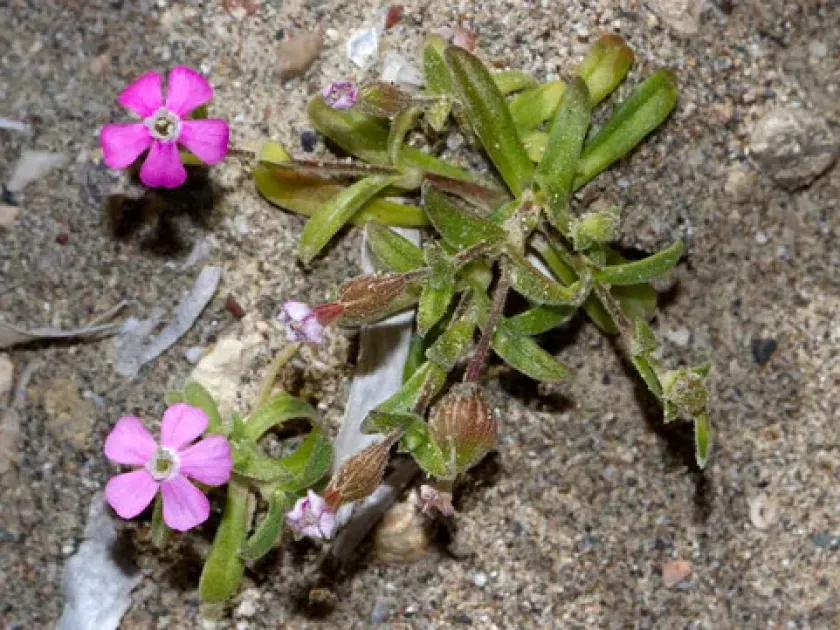
Description
Sowing dates
Arenaria fragillima is a perennial herbaceous plant belonging to the Caryophyllaceae family, known for its specific ecological niche and unique development stages.
The sowing process is traditionally conducted in early spring, once the soil has sufficiently thawed and reached temperatures conducive to germination, usually above 5 degrees Celsius.
Seeding rates should be calibrated to ensure a density that allows for adequate space, preventing competition between individual plants during their critical growing phase.
Careful shallow planting is mandatory, as the small seeds of this species possess limited reserves and require close proximity to the surface to emerge successfully.
Once established, the crop requires careful monitoring to ensure that seedling development proceeds uniformly across the entire planted field area.
Growing requirements
This crop thrives in well-drained, sandy soils that allow for rapid drainage, minimizing the risk of root rot during wet and cool spring periods.
Arenaria fragillima is an obligate heliophyte, requiring full exposure to sunlight throughout the day to achieve its maximum potential biomass production.
Soil pH levels should ideally be neutral or slightly alkaline, as highly acidic conditions significantly inhibit nutrient uptake and overall plant vigor.
The species demonstrates remarkable drought tolerance once mature, yet periodic irrigation during the seedling establishment stage significantly improves field survival rates.
Adequate calcium and magnesium levels in the soil are essential for structural integrity, helping the plants withstand wind and heavy rainfall during the growing season.
Main diseases and pests
Common phytopathological issues include various fungal pathogens that target the root systems, especially in areas with poor drainage or high humidity.
Insect pests such as sap-sucking insects can cause damage to the foliage, necessitating early detection and targeted management strategies to preserve the crop.
Weed management is paramount, particularly during the early vegetative stages, as the plant grows slowly and can be easily outcompeted by more aggressive weed species.
- Root rot caused by stagnant water conditions.
- Leaf spot diseases due to fungal infections.
- Susceptibility to soil-borne pests during early development.
Successful management relies on crop rotation and the maintenance of soil health to minimize the necessity for broad-spectrum chemical control measures.