
Arenaria graveolens
Arenaria graveolens
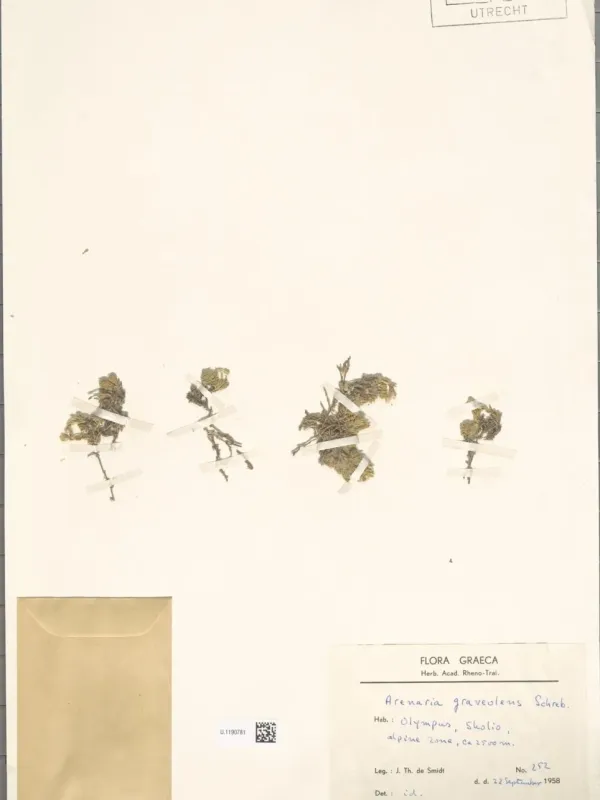
Description
Sowing dates
Arenaria graveolens, a member of the Caryophyllaceae family, is a perennial herbaceous plant requiring specific conditions for germination. Sowing in open ground usually occurs in spring once soil temperatures reach 10–12°C, ensuring reliable seed establishment.
For container-grown seedlings, sowing is performed in March. Seeds require light to germinate effectively, so they should be sown on the surface and pressed gently into the substrate without deep burial, maintaining constant humidity.
In regions with temperate climates, late autumn sowing is an option. This allows the seeds to undergo natural stratification over the winter, often resulting in more uniform and vigorous spring germination and stronger root development.
The quality of seed stock is critical for high yields. It is recommended to test germination rates before mass planting to ensure an optimal density, as Arenaria graveolens does not tolerate overcrowding at the seedling stage.
Proper spacing during the sowing phase is essential to allow for airflow, which is a key preventive measure against common plant diseases. Maintaining a clear space between rows facilitates easier weeding and plant management.
Growing requirements
This crop thrives in well-drained sandy or loamy soils with a neutral to slightly alkaline pH. Water stagnation is the primary enemy of Arenaria graveolens, making adequate soil drainage a non-negotiable requirement for healthy production.
Being a light-loving species, this plant requires open, sunny locations for optimal growth. Insufficient sunlight often leads to etiolated, weak stems and significantly reduced concentration of the aromatic compounds for which the plant is valued.
While the plant is hardy, it requires supplemental watering during prolonged heat waves or drought. Water should be applied carefully to the soil rather than the foliage to prevent the development of mold or fungal pathogens.
Fertilization should be measured, focusing on phosphorus and potassium to support blooming and root health. Excessive nitrogen leads to an overabundance of soft vegetative matter that is prone to disease and lower in essential oil quality.
Weed control is the most demanding aspect of crop management, particularly during the first months of growth. Early manual weeding is necessary to prevent competition for nutrients, as the plant establishes itself slowly in its first year.
Yield
Yield of Arenaria graveolens depends on site management and harvest timing. Under ideal agricultural conditions, two harvests per season are possible without compromising the plant's long-term health and winter survival.
The primary harvest is taken during the peak flowering stage, when the concentration of aromatic oils is highest. Timing this harvest accurately is essential for the commercial value of the harvested raw plant material.
After the first harvest, plants require a boost in moisture and mild nutrients to encourage regrowth. A second harvest can typically be obtained in late summer, provided at least a few inches of growth remain for recovery.
Post-harvest processing involves drying the material in shaded, well-ventilated areas. Maintaining the integrity of the plant's aroma is the primary indicator of a successful harvest and quality management practice.
A single plantation remains productive for approximately 3–4 years. Beyond this period, the root systems become too dense, leading to a decline in vigor and yield, which necessitates field rotation or replanting.
Main diseases and pests
The most significant threat is root rot, which typically develops when soil drainage is insufficient or when periods of heavy rainfall lead to prolonged saturation of the root zone.
Aphids and spider mites are the most common pests, particularly in dry or hot summers. Integrated pest management using biological controls is highly recommended to protect the purity of the crop for consumer use.
Powdery mildew may occur if planting density is too high, preventing adequate air circulation. Keeping rows clear and removing dead plant material helps maintain a healthy microclimate for the crop.
Small rodents can damage the root system during winter months. Using natural deterrents or physical barriers around the plot is advisable in areas with high pest pressure to prevent significant plant loss.
- Root rot risk from excessive soil moisture.
- Infestation by aphids during peak growth stages.
- Susceptibility to powdery mildew in crowded conditions.