
Arenaria cinerea
Arenaria cinerea
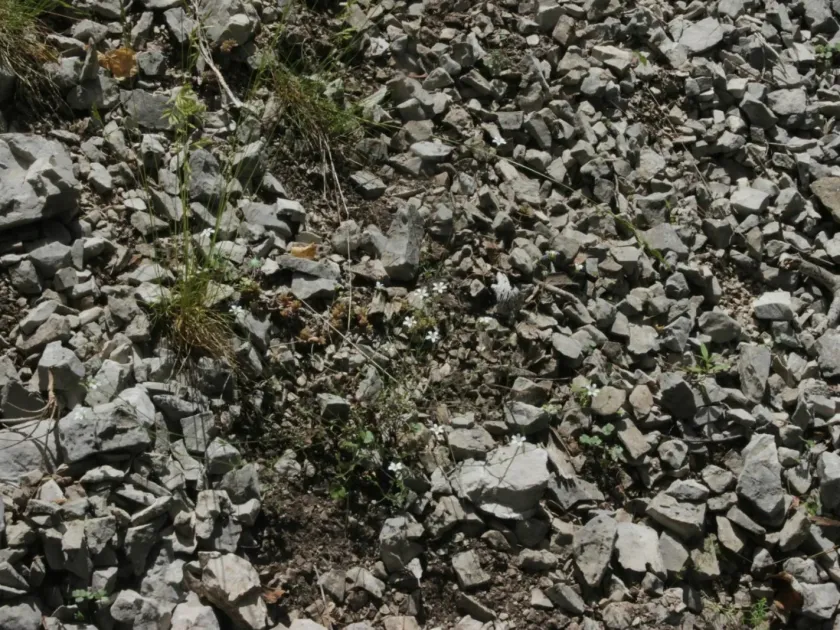
Description
Sowing dates
The sowing of Arenaria cinerea is typically performed in early spring, as soon as the soil becomes workable. This timing ensures the seedlings establish a root system before the onset of intense summer heat.
Seeds are sown on the surface or covered very lightly with fine sand or perlite, as they require light for optimal germination. Keeping the seedbed consistently moist is crucial during the first stages of development.
Germination can be significantly improved by placing seeds in a cold environment for a few weeks before sowing. This process mimics natural winter conditions and breaks the dormancy period.
When grown in containers, a sterile, well-draining substrate should be used to avoid damping-off. Transplanting to a permanent location is recommended once the seedlings have developed two sets of true leaves.
Proper spacing between plants, generally 20 to 25 centimeters, is essential to allow for airflow and to prevent the development of fungal pathogens within the planting area.
Growing requirements
Arenaria cinerea is a perennial herbaceous plant belonging to the Caryophyllaceae family. It is naturally adapted to rugged environments, including sandy dunes and stony soils.
Full sun is an absolute requirement for this species. Exposure to sunlight promotes dense foliage growth and abundant flowering, preventing the plant from becoming leggy or weak.
The soil must be characterized by excellent drainage. If the soil is heavy or prone to waterlogging, it is necessary to amend it with coarse sand, gravel, or grit to ensure roots remain healthy.
This species is highly drought-tolerant once established, making it an excellent choice for low-maintenance landscapes where irrigation options are limited or nonexistent.
Nutrient requirements are modest; an excess of nitrogenous fertilizers will cause rapid, fragile growth and decrease the plant's natural resistance to environmental stress.
Main diseases and pests
The most common issues affecting this plant relate to excessive moisture. Root rot is a primary concern in areas with poor drainage or during prolonged periods of heavy rainfall.
Preventative measures include ensuring the planting site is elevated or properly sloped to allow surface water to drain away quickly, protecting the delicate root system.
Pests like mites or aphids may occasionally colonize the plant during hot, dry spells. Monitoring for any sign of foliage discoloration or webbing is recommended during such periods.
Weed management is vital during the establishment phase, as the plant can be slow to grow and easily overwhelmed by more aggressive neighboring weeds.
Using appropriate fungicidal treatments can mitigate risks in high-humidity climates, though maintaining clean and ventilated growing conditions remains the most effective strategy.
Harvesting
Arenaria cinerea is utilized primarily for ornamental purposes, specifically in xeriscaping and rock gardens, rather than as a traditional agricultural commodity.
Harvesting seeds for future propagation is done when the seed capsules turn brown and begin to dry. Caution must be taken to gather them before they shatter and scatter on the ground.
After collecting, the seeds should be cleaned, dried thoroughly, and stored in a cool, dark place to maintain high viability for the next planting season.
Maintenance includes trimming back spent flowers, which keeps the plant tidy and encourages the development of healthy, dense foliage throughout the summer months.
The plant serves as a vital component in erosion control on sandy slopes, providing soil stability while requiring minimal human intervention once fully established.