
Lonicera nervosa
Lonicera nervosa
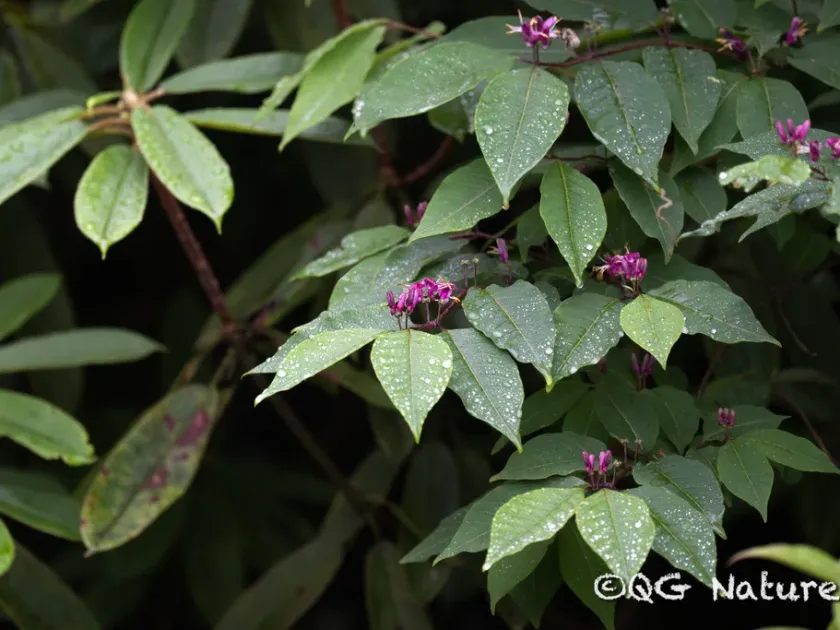
Description
Growing requirements
Lonicera nervosa is a deciduous shrub belonging to the Caprifoliaceae family. Originally native to high-altitude regions in China, it has adapted to cooler climates and environments with stable moisture levels throughout the growing season.
The crop requires well-drained, fertile soil with a neutral to slightly acidic pH to thrive. Consistent soil moisture is essential for the plant's health, though it should be balanced to prevent waterlogging, which can be detrimental to the root system.
Ideal planting sites include areas with partial shade or dappled sunlight. Due to its mountain origins, the plant exhibits significant cold tolerance, making it a robust choice for temperate gardens that experience harsh winter conditions.
Agrotechnical maintenance focuses on applying organic mulch to the base of the shrub. This practice helps maintain soil temperature and humidity, while also suppressing weeds that compete for nutrients. Regular pruning is also recommended to improve airflow.
Botanically, the species is defined by its prominent vein structure on the leaves, which gives the foliage a textured appearance. It is a slow-to-moderate grower, developing a structured branching system that benefits from periodic light pruning to maintain vigor.
Main diseases and pests
The most common disease threats include powdery mildew and various leaf spot fungi, which often manifest during humid or stagnant weather. Ensuring proper spacing between plants is a critical preventive measure to maintain good air circulation.
Insect pests such as aphids and honeysuckle leaf miners can occasionally impact plant health. Early detection is key, and organic soaps or horticultural oils are typically effective if applied at the first sign of pest infestation.