
Lonicera similis
Lonicera similis
Description
Growing requirements
Lonicera similis is a climbing shrub species belonging to the Caprifoliaceae family. Originating from China, this plant is well-regarded for its ornamental value and vigor in temperate garden environments.
Botanically, it is defined by its twining stems and foliage that can remain semi-evergreen depending on the regional climate. Its growth habit allows it to be used effectively as a climber on fences, trellises, and other garden structures.
The cultural requirements demand a well-drained, nutrient-rich soil to support its rapid growth. It thrives best in sites that offer protection from harsh winds while receiving significant amounts of sunlight or partial shade.
Regarding moisture, the plant requires consistent watering, especially during the active growing season, but it is essential to ensure that the root zone is not constantly waterlogged to prevent physiological decline.
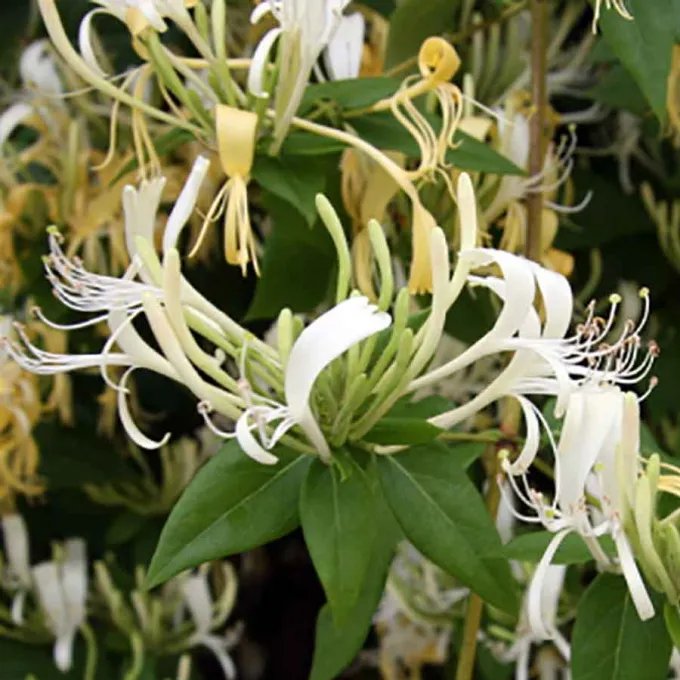
Economically and aesthetically, Lonicera similis is primarily utilized in horticulture. It serves as a structural component in landscaping projects, providing lush green screens and seasonal visual interest through its distinctive flowers.
Main diseases and pests
Aphid infestations are the most common pest issue for Lonicera similis, often appearing on tender new growth and requiring prompt horticultural oil or insecticidal soap treatment.
Powdery mildew represents a significant fungal threat, characterized by white patches on leaves, typically encouraged by poor air circulation or humid weather conditions.
Caterpillars and other foliage-chewing larvae can occasionally cause damage to the leaves, necessitating manual removal or biological control agents if the population increases.
Root rot remains a concern if the soil drainage is inadequate, leading to plant stress and secondary infections that may weaken the overall structure of the climber.
Maintenance strategies to mitigate these threats include proper pruning to ensure airflow, choosing appropriate planting locations, and regular monitoring for early signs of distress.