
Lonicera nummulariifolia
Lonicera nummulariifolia
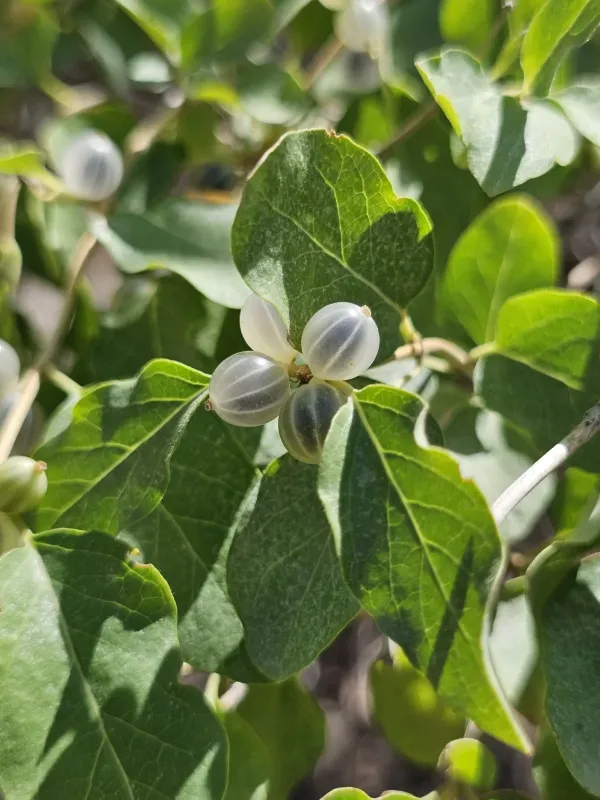
Description
Growing requirements
Lonicera nummulariifolia is a deciduous shrub belonging to the Caprifoliaceae family. Native to the mountainous regions of Central Asia, this species has evolved to thrive in harsh, rocky terrains and temperate climates with distinct seasonal temperature changes.
Botanically, it is recognized for its unique, round-shaped leaves, which give the plant its characteristic appearance. It is a highly resilient shrub capable of developing a robust root system that stabilizes slopes and persists in nutrient-poor, rocky substrates.
The plant demonstrates significant drought tolerance once established. It thrives best in full sun or light shade, which is crucial for maintaining its structural integrity and vibrant growth during the active vegetative season.
Regarding soil requirements, it prefers well-draining, neutral to slightly alkaline environments. It does not tolerate waterlogged soil, making site selection with adequate drainage a primary condition for successful cultivation in garden settings.
Maintenance is relatively straightforward. Aside from basic structural pruning in the early spring to remove dead wood and encourage dense growth, the plant requires little supplemental watering or fertilization, making it an excellent choice for low-maintenance landscapes.
Main diseases and pests
The most common disease affecting this shrub is powdery mildew, which typically appears as a white, dusty film on foliage during periods of high humidity and poor air circulation. Proper spacing of plants is essential for prevention.
Aphids are the primary insect pests that target the soft, emerging growth of the honeysuckle. Regular scouting during the spring allows for effective management through natural predators or targeted organic soap-based applications.
Leaf rollers and other lepidopteran larvae may occasionally cause localized damage to the leaves. In large-scale garden plantings, hand-picking or the use of biological control agents is often sufficient to keep populations at bay.
Rust diseases can occur under specific environmental conditions, leading to chlorosis and premature leaf drop. Applying copper-based fungicides as a preventative measure during the early growth stage is highly recommended.
Maintaining clear surroundings and avoiding excessive overhead irrigation will significantly reduce the vulnerability of the plant to fungal pathogens and keep the shrub in a healthy, aesthetically pleasing state throughout the year.