
Lonicera strophiophora
Lonicera strophiophora
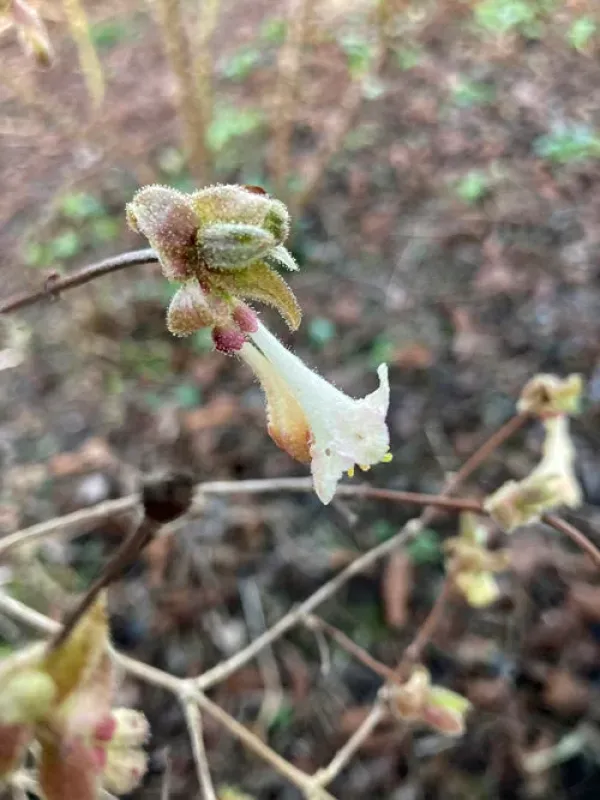
Description
Growing requirements
Lonicera strophiophora is a distinct species within the Caprifoliaceae family. It is known for its unique botanical structure, particularly the involucral bracts that envelop the fruits. This species serves as an interesting subject for both botanical research and potential agricultural development.
Regarding its requirements, the plant thrives in cool to moderate climates. It prefers well-drained, loam-based soils rich in organic matter. While it is adaptable to various soil types, maintaining a slightly acidic to neutral pH level is essential for optimal nutrient uptake and overall shrub health.
The climate requirements include access to consistent moisture during the growing season. While the species is noted for its high frost tolerance, it benefits from a location that provides protection from harsh, drying winds, which can damage tender foliage and reduce plant vigor.
Agronomic management involves periodic fertilization using organic amendments to enhance soil fertility. Regular pruning is necessary to maintain an open canopy structure, which improves airflow and light penetration, directly influencing the physiological development and growth rate of the shrub.
Economically, this species is highly valued for its genetic diversity. Researchers and plant breeders utilize its traits to enhance hardiness and disease resistance in more common honeysuckle varieties, making it a crucial component in contemporary berry crop improvement programs.
Main diseases and pests
Typical plant health issues for this species include powdery mildew, a common fungal disease that affects the leaves and reduces photosynthetic efficiency. High humidity and poor air circulation are the primary environmental drivers that favor the proliferation of fungal pathogens.
Pest pressures often come from aphids and spider mites, which target new growth and saplings. These pests can cause significant stunting if left unchecked, so early detection through routine field inspections is critical to preventing outbreaks that could threaten plant survival.
Disease management strategies rely on integrated pest management (IPM) practices. This includes the application of preventative fungicides during the early spring and the use of natural predators to control insect populations, thereby minimizing the reliance on synthetic chemicals.
Cultural practices, such as removing fallen leaves and pruning away infected branches, play a vital role in sanitation. By eliminating the overwintering sites for spores and pests, growers can drastically reduce the inoculum load and improve the overall resilience of the crop.
Monitoring for signs of stress is essential throughout the season. Adjusting the irrigation schedule and ensuring proper spacing between bushes can significantly bolster the plant's natural immune response, helping it resist typical horticultural pathogens effectively.