
Lonicera maximowiczii
Lonicera maximowiczii
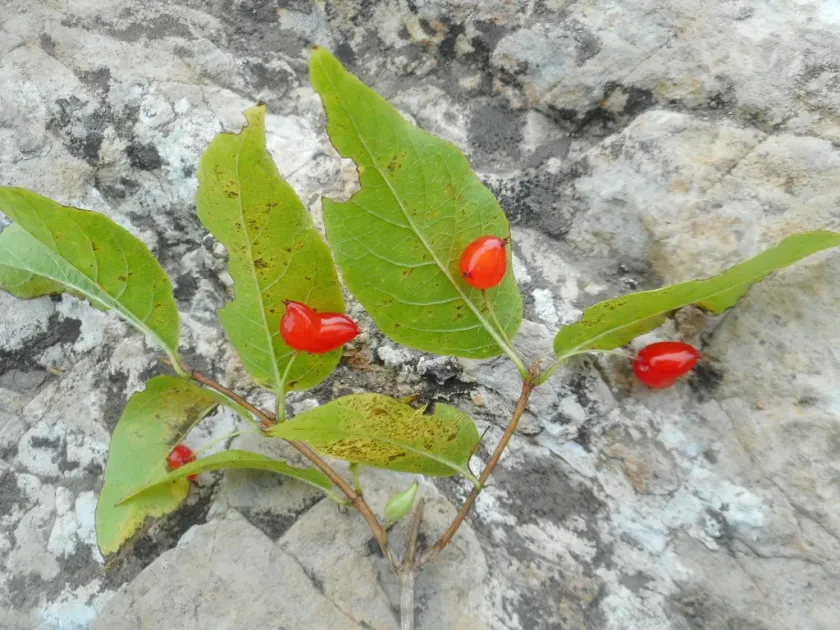
Description
Growing requirements
Lonicera maximowiczii is a deciduous shrub belonging to the Caprifoliaceae family. Native to the Russian Far East, Korea, and China, it is highly valued for its natural hardiness and ornamental appeal in diverse landscape designs.
The plant exhibits excellent tolerance to cold climates, making it a reliable choice for temperate zone gardening. It grows best in full sun or light shade, which helps promote more vibrant foliage and abundant floral display.
Optimal soil conditions include well-draining, loamy, and nutrient-rich earth. While it can adapt to various soil types, maintaining moderate moisture levels is essential, especially during the plant's establishment phase in the first two years.
Agricultural management is relatively simple, requiring regular watering during dry spells and light pruning to maintain the desired shape. The plant's slow-growing habit makes it an ideal candidate for low-maintenance garden borders.
Beyond its aesthetic function, the species provides ecological value by attracting pollinators. Its dense structure serves as a great habitat for local fauna, contributing to the biodiversity of the garden ecosystem.
Main diseases and pests
The primary threats to Lonicera maximowiczii involve standard pests and diseases commonly associated with the honeysuckle genus, particularly when plants are grown in poor environmental conditions.
Aphids are the most frequent pests, targeting the tender new growth during spring. Early detection is key, as these insects can significantly stunt shoot development if left unchecked.
Powdery mildew can become an issue if the planting site lacks proper ventilation. Keeping the shrubs properly spaced ensures airflow and helps minimize the occurrence of this fungal pathogen.
Foliar spot diseases may appear late in the season, particularly during humid weather. Utilizing organic fungicides and removing affected foliage helps manage the spread of the infection effectively.
Integrated pest management, including encouraging beneficial predators like ladybugs, is highly recommended to keep the shrub healthy without heavy reliance on chemical interventions.