
Lonicera splendida
Lonicera splendida
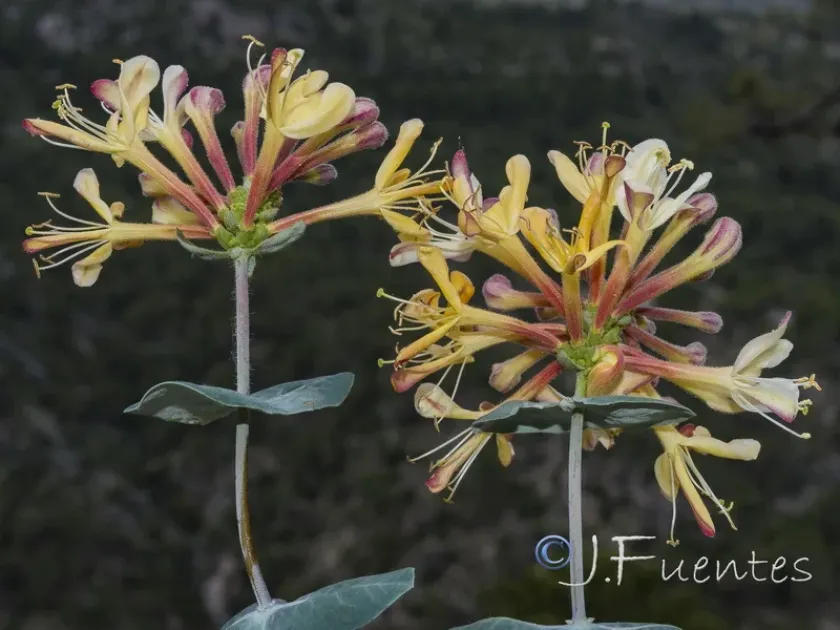
Description
Growing requirements
Lonicera splendida, commonly known as a type of honeysuckle, belongs to the Caprifoliaceae family. It is a semi-evergreen or deciduous climbing shrub native to the rocky landscapes and mountains of the Iberian Peninsula.
This plant thrives in sunny, warm environments where it can maximize its decorative potential. It is well-adapted to Mediterranean climates, showing a high level of drought tolerance once it has established a deep and strong root system.
Proper soil conditions are crucial for this species; it prefers well-drained, lime-rich, or neutral soil types. Waterlogging must be strictly avoided, as the roots are highly susceptible to rot when kept in consistently saturated heavy clay soils.
Regarding climate, Lonicera splendida prefers regions with mild winters. In harsher environments, the shrub may experience dieback if temperatures drop significantly below freezing, making it suitable for protected garden areas or container gardening.
In terms of хозяйственное использование, this shrub is primarily used in landscaping for vertical cover. It is an excellent choice for clothing pergolas, arbors, and walls, where its aromatic flowers provide significant ornamental value.
Main diseases and pests
Powdery mildew is a frequent issue for this plant, typically occurring during periods of high humidity and poor air circulation. Regular pruning to thin out the dense foliage helps maintain better airflow and prevents fungal growth.
Aphids are the most common pests that infest the tender new shoots of the honeysuckle. Monitoring the plant in early spring and using horticultural soaps can effectively keep populations under control before they cause damage.
Leaf-rolling caterpillars can cause localized damage to the foliage, diminishing the shrub's aesthetic appearance. Manual removal or the application of safe, targeted insecticides is recommended when infestation levels are high.
Root rot, driven by improper watering practices, poses a serious threat to the overall health of the plant. Ensuring the soil drains freely is the most effective preventative measure against this subterranean pathology.
Iron chlorosis may appear if the soil pH is not suitable for the plant's nutrient uptake needs. Regular soil testing and the addition of chelated iron or organic soil amendments can correct these deficiencies and restore the plant's vigor.