
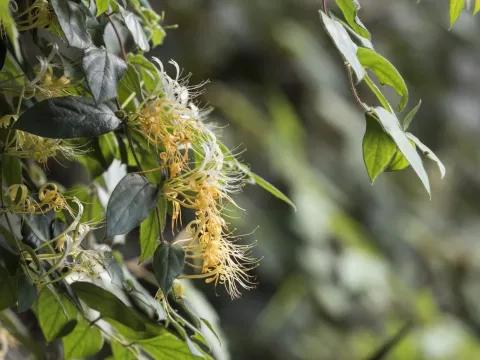
Honeysuckle
Lonicera macrantha
Propagation of Lonicera macrantha is primarily achieved through vegetative methods such as softwood cuttings or layering. Taking cuttings in late spring or early summer ensures a higher success rate for rooting when using a rooting hormone.
What the section contains
Honeysuckle
Planting of established container-grown specimens can be done throughout the growing season, although early autumn is preferred to allow root establishment before winter. Proper spacing is essential for this species to ensure adequate airflow.
Seeds can be used for breeding purposes but require a stratification period of 60 to 90 days at low temperatures to break dormancy. Sowing in cold frames or prepared seedbeds ensures the seeds experience the necessary seasonal changes to germinate.
The soil preparation process involves creating deep pits filled with organic compost and well-draining soil. This ensures that the root system can penetrate easily and access nutrients required for rapid initial growth in the first season.
After transplanting, it is vital to perform a deep irrigation and apply a layer of organic mulch around the root zone. This practice stabilizes soil temperature and prevents the rapid evaporation of moisture, which is crucial for young plants.
Lonicera macrantha belongs to the Caprifoliaceae family and is native to the temperate regions of East Asia. This woody climber or shrub is highly valued for its fragrant flowers and vigorous growth habit in garden environments.
This species thrives in sunny to partially shaded locations with moist, fertile, and well-drained soil. It is particularly sensitive to waterlogged conditions, which can lead to rapid decline if the soil drainage is not maintained effectively.
Regular maintenance involves consistent watering during dry spells, especially during the peak summer months. Mulching helps maintain soil moisture levels and reduces the frequency of manual irrigation, which is beneficial for plant health.
Fertilization should be balanced, providing nitrogen for vegetative growth and potassium for bloom quality. Applying organic manure or a slow-release granular fertilizer once in early spring typically meets the plant's nutritional requirements.
Annual pruning is a standard requirement for Lonicera macrantha to maintain structural integrity. Removing dead or crossing branches promotes better light penetration and encourages new flowering shoots for the following season.
Common pests affecting this honeysuckle include aphids and spider mites, which can cause leaf curling and chlorosis. Monitoring plant health during the spring flush is critical to prevent large-scale infestations from damaging the foliage.
Fungal issues such as powdery mildew may develop if there is insufficient air circulation or high humidity around the canopy. Preventive measures include proper thinning of branches and avoiding overhead watering during evening hours.
Leaf spot diseases can manifest as dark lesions on foliage, typically under poor environmental conditions. Maintaining garden hygiene by removing fallen debris prevents the overwintering of pathogens that could infect the plant again.
Integrated pest management should be employed when addressing outbreaks, prioritizing the use of horticultural oils or soaps. These products are often effective against soft-bodied insects while being less harmful to the surrounding ecosystem.
In cases of severe infestation or systemic viral disease, affected plant parts should be removed promptly. Ensuring the plant is not under stress from drought or nutrient deficiency significantly improves its natural resistance to common diseases.