
Heptacodium
Heptacodium
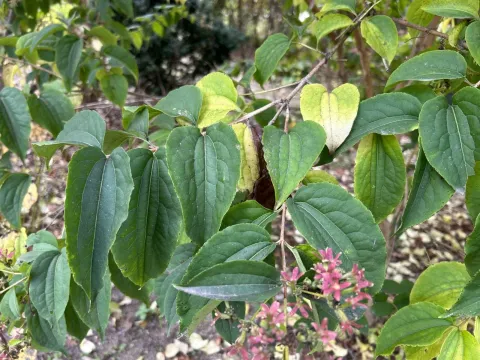
Heptacodium is a distinctive deciduous shrub or small tree belonging to the Caprifoliaceae family, native to the woodlands of China.
What the section contains
Heptacodium
The plant thrives best in locations with full sun to partial shade, where it receives sufficient light to support its characteristic late-season flowering and exfoliating bark.
It prefers well-drained, moderately fertile soil and requires consistent moisture during the establishment phase, although it shows good drought tolerance once mature.
Cultural practices involve applying a balanced organic fertilizer in early spring and maintaining a layer of mulch to suppress weeds and retain soil humidity.
Pruning is an essential aspect of management, primarily performed to train the plant into a tree-like form or to maintain a dense, attractive shrubby structure.
Heptacodium is widely recognized for its robust health and inherent resistance to most common plant diseases, reducing the need for intensive chemical control.
There are no major insect pests that pose a significant threat to this species, making it an excellent choice for low-maintenance landscaping projects.
Potential health issues are generally associated with environmental stress, specifically waterlogged soil, which can compromise root system integrity over time.
In humid climates or poorly ventilated areas, minor incidences of powdery mildew may occur on the foliage, though this rarely affects the overall vigor of the plant.
Good horticultural practice includes monitoring the crown for dead wood and ensuring proper drainage to prevent the development of opportunistic fungal pathogens.