
Iberian honeysuckle
Lonicera iberica
Description
Growing requirements
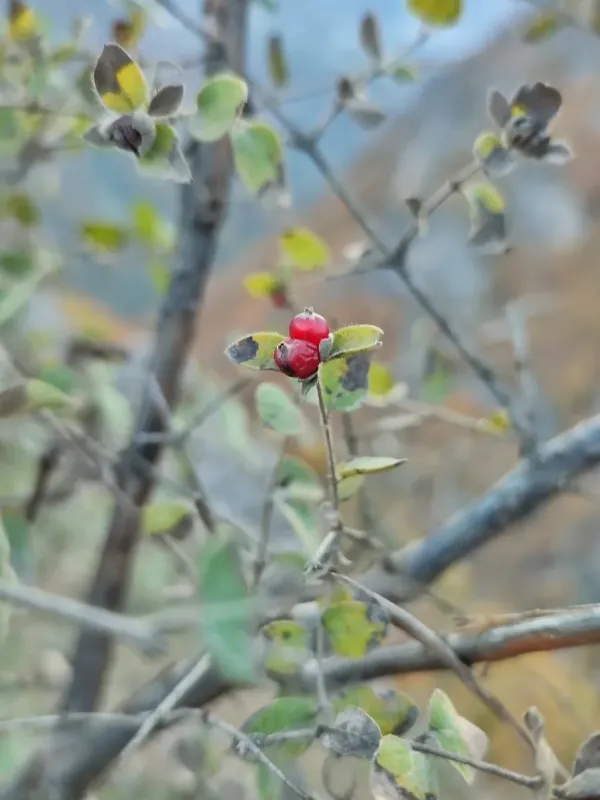
Iberian honeysuckle (Lonicera iberica) is a perennial deciduous shrub belonging to the Caprifoliaceae family. It is native to the Caucasus region, where it typically inhabits rocky slopes and open woodland environments.
The botanical structure of this shrub is characterized by dense branching and ovate leaves, often featuring fine pubescence. The plant acts as a resilient woody species capable of enduring varied climatic conditions ranging from dry seasons to cold winters.
Regarding soil requirements, Lonicera iberica prefers well-drained, lime-rich substrates. It performs best in locations with partial to full sunlight, demonstrating high adaptability to different soil types found in its native mountain ranges.
Economically and horticulturally, this plant is primarily valued for ornamental landscaping. Its ability to create thick, persistent foliage makes it an excellent candidate for hedges and ecological stabilization of soil on inclined terrains.
Agrotechnical maintenance involves regular pruning to manage the shrub's size and encourage denser growth. Propagation is successfully achieved through semi-hardwood cuttings, providing a reliable method for expanding plantings in garden settings.
Main diseases and pests
The primary health threat to Lonicera iberica is powdery mildew, a fungal infection that thrives in environments with poor air circulation. Symptoms include a visible white dusty coating on the leaves.
Insect pests, such as aphids and leaf-rollers, frequently target the succulent new growth of the plant. These pests can weaken the shrub if their populations are not monitored during the active growing season.
Cultural control methods, such as thinning the center of the shrub to improve airflow, are effective in reducing the incidence of disease. Avoiding overhead irrigation can also minimize the moisture levels required for fungal proliferation.
If chemical intervention becomes necessary, biological insecticides and fungicides should be prioritized to maintain the ecological balance of the surrounding garden area.
Overall plant vitality is highly dependent on consistent maintenance. Proper nutrition and water management help the shrub develop a stronger immune response against various pests and pathogens.