
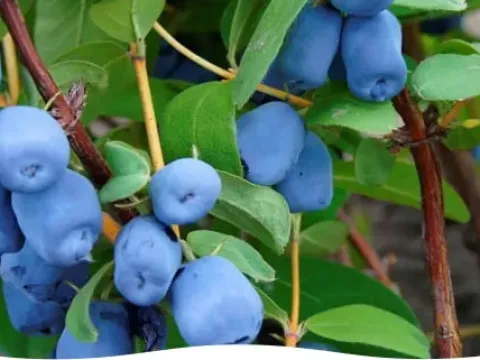
Honeysuckle hybrid
Lonicera hybrids
Honeysuckle hybrid is a perennial berry crop developed through cross-breeding various species within the Lonicera genus. Belonging to the Caprifoliaceae family, it is highly valued for its early ripening season and nutritional density.
What the section contains
Honeysuckle hybrid
The ideal time for planting honeysuckle seedlings in open ground is autumn, specifically from September to October. This period allows the root system to establish itself before the onset of deep winter frosts, ensuring vigorous spring growth.
If spring planting is necessary, it must be performed before the active sap flow and bud break begin. Using container-grown plants with a closed root system significantly improves survival rates regardless of the planting season.
Honeysuckle is a cross-pollinating plant; therefore, to ensure a stable and abundant harvest, at least three to four different hybrid varieties should be planted in close proximity to promote effective cross-pollination.
Planting density depends on the specific hybrid's vigor, typically ranging from 1.5 to 2 meters between plants within a row. In commercial orchards, spacing may be increased to 3 meters to accommodate agricultural machinery.
Hybrid honeysuckle thrives in fertile loam or sandy loam soils with a neutral or slightly acidic pH level. It is sensitive to waterlogged conditions, making well-drained soil essential for root health and overall plant vitality.
For optimal development, the plants require a sunny, sheltered location protected from strong winds. Excessive shade leads to elongated shoots and reduced fruit production, which negatively impacts both quality and yield volume.
This crop exhibits exceptional cold hardiness, allowing it to withstand severe winter temperatures. Its flower buds are also resilient against late spring frosts, making it a reliable choice for regions with volatile weather patterns.
Regular irrigation is a critical component of care, particularly during the flowering and fruit-setting stages. Moisture deficiency often leads to premature fruit drop or the development of a characteristic bitter aftertaste.
Fertilization should be managed in stages: nitrogen-rich fertilizers in early spring to support vegetative growth, followed by phosphorus and potassium in autumn to improve winter hardiness and prepare for the next season.
Yields from hybrid honeysuckle start to increase significantly by the third or fourth year. With proper horticultural practices, a single mature bush can yield between 2 and 5 kilograms of berries per season.
Commercial productivity can reach 5 to 8 tons per hectare when utilizing intensive cultivation methods. The highest yields are typically observed in established plantations between 7 and 12 years of age.
Berries of hybrid varieties are often larger, weighing between 1.5 and 3 grams, and possess a superior biochemical profile. They are rich in antioxidants, vitamin C, and B-complex vitamins, making them a popular health food choice.
The harvest is versatile, suitable for fresh consumption, deep freezing, or processing into jams and preserves. Due to their resilient skin, many modern hybrids are suitable for transport and long-term storage.
Maintaining a weed-free environment and applying organic mulch, such as compost or straw, helps preserve soil moisture and prevents compaction, which directly correlates to higher overall berry production.
Common pests include the honeysuckle sawfly, aphids, and leafrollers, which can damage a significant portion of the harvest if left unchecked. Early detection through regular monitoring allows for targeted biological treatments.
Powdery mildew and various leaf spot diseases are the primary threats to foliage health. Proper pruning practices, which improve air circulation within the canopy, are essential preventative measures against fungal infections.
High humidity and overly dense planting encourage the rapid spread of diseases. Sanitory pruning of dead or damaged wood in early spring is a fundamental practice to reduce the inoculum load in the orchard.
In commercial operations, monthly phytosanitary inspections are mandatory. Chemical interventions should only be used as a last resort and strictly in accordance with pre-harvest intervals to ensure safety for the consumer.
Selecting disease-resistant hybrid varieties is the most sustainable approach to protection. Modern breeding programs prioritize developing plants with inherent immunity to major berry crop pathogens and pests.
Harvesting hybrid honeysuckle requires precision because the berries ripen unevenly and tend to drop once fully mature. The peak harvest window occurs when berries reach their full varietal color and detach easily with minimal pressure.
Manual harvesting must be performed carefully to avoid damaging the delicate skin. Many growers spread cloths or nets under the bushes to catch the ripe fruit, which significantly accelerates the harvest process.
Mechanical harvesting is feasible only with specialized machinery designed for small fruit crops. It is vital to select varieties with a dry stem detachment to prevent fruit bruising and maintain quality during mechanical processing.
Immediately after harvest, berries should be cooled to between +2°C and +4°C to preserve freshness and slow down metabolic degradation. Proper storage extends shelf life and maintains the nutritional integrity of the fruit.
Sorting the berries to remove plant debris is essential to minimize spoilage risks. Packaging in perforated containers ensures optimal airflow and prevents mold development during both storage and transportation.