
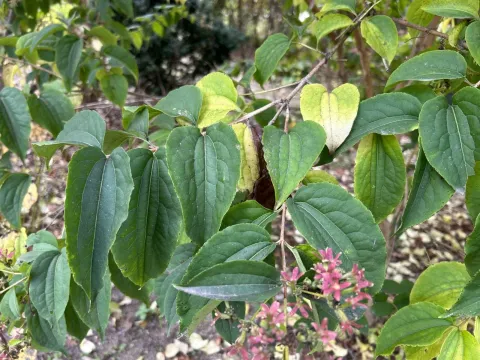
Heptacodium
Heptacodium Rehder
Heptacodium is a unique monotypic genus of ornamental shrubs belonging to the Caprifoliaceae family. Native to the forests of East China, it has gained international recognition for its exceptional aesthetic qualities in garden design.
What the section contains

Heptacodium
The plant thrives in full sun or light shade environments. Ideally, it should be planted in a location sheltered from strong winds to preserve the delicate, exfoliating bark that creates the plant's year-round visual interest.
Soil requirements for Heptacodium are moderate; it prefers well-draining, fertile loams. While it tolerates various soil types, it is essential to ensure that the site does not accumulate standing water, which can be detrimental to root health.
Regarding climate, this shrub is hardy in USDA zones 5 through 9. It appreciates a temperate climate with seasonal variations, provided that young specimens are protected during their first few years in the ground.
Maintenance includes consistent watering during dry spells and occasional pruning to maintain its form. As a slow-growing plant, it does not require heavy intervention and often develops its characteristic shape naturally.
Heptacodium is remarkably resistant to major plant diseases. It is not prone to significant blight or fungal issues, provided it is grown in conditions that allow for proper air circulation and adequate soil drainage.
Pests are generally not a concern for this species. Only in rare instances of extreme environmental stress might one encounter minor infestations of aphids or spider mites, which are easily managed with standard horticultural soaps.
The most significant threat to the plant is improper irrigation. Excessive soil moisture, especially during the dormant season, can quickly lead to root rot, which is often irreversible if not addressed immediately.
Prevention is key, and maintaining a clean area around the base of the shrub prevents the accumulation of decaying material that could harbor pests. Regular monitoring during the growing season is sufficient for most gardeners.
Overall, the plant’s robust nature makes it a low-maintenance choice for professional landscapes. Its resilience combined with minimal pest pressure ensures its status as a desirable plant for low-input garden management.