
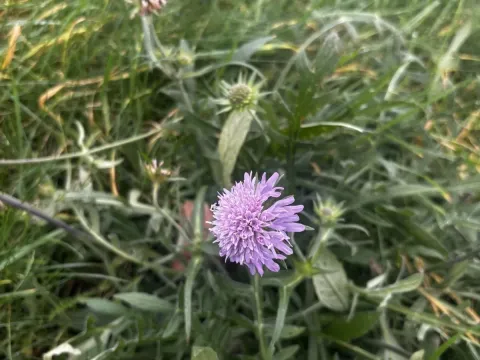
Knautia
Knautia
Seeds of Knautia are typically sown in early spring, once the soil temperature consistently reaches 10–12°C. Late April to early May is considered the ideal window for successful germination.
What the section contains


Knautia
Dormant seeding in late October is also an effective strategy. During winter, seeds undergo natural stratification, which promotes more uniform and vigorous emergence in the following spring season.
For large-scale planting, a row spacing of 30–45 cm is recommended. This spacing allows for proper airflow and facilitates the use of mechanical weeding equipment during the plant's establishment phase.
The optimal planting depth is shallow, approximately 1–2 cm. Covering the seeds too deeply can impede sprout emergence, while sowing them on the surface increases the risk of desiccation.
After seeding, it is essential to roll the soil surface. This action ensures optimal contact between the soil particles and the seeds, which is crucial for water absorption and germination success.
Knautia, a member of the Caprifoliaceae family, displays high environmental plasticity. The plant thrives in full sun, as shading significantly reduces both floral display and overall biomass production.
The crop prefers well-drained, fertile soils with a neutral to slightly alkaline pH. It is highly sensitive to waterlogged conditions, which can quickly lead to root rot and plant mortality.
It is a hardy perennial, capable of withstanding harsh winters without any specialized protection. Once established, the deep taproot allows the plant to tolerate moderate drought conditions quite effectively.
While Knautia does not require excessive fertilization, incorporating organic matter into the soil prior to planting provides a healthy base. Excessive nitrogen should be avoided to prevent leggy, weak stems.
Maintenance involves routine weeding during the first season of growth. Once the perennial is established, it forms dense clumps that are highly effective at outcompeting typical field weeds.
Powdery mildew is the most common disease affecting Knautia, especially in conditions with high humidity and poor circulation. Symptoms include white, dusty patches on leaves that weaken the plant.
Leaf spot diseases, caused by various fungal pathogens, can also appear in wet seasons. Managing these involves maintaining proper plant spacing and removing debris to prevent the spread of fungal spores.
Aphids and spider mites are the primary insect pests. They tend to cluster around flower buds and tender shoots, causing stunted growth and reducing the value of the plant for pollinators.
Soil-dwelling larvae can occasionally damage the root system in damp, poorly managed fields. Ensuring good soil drainage is the best preventative measure against these subterranean pests.
Integrated pest management, including the use of neem oil or biological fungicides, is recommended. Such approaches ensure that the field remains safe for beneficial insects and pollinators.
Seed harvesting should be initiated when the seed heads turn dark brown. This timing is critical, as the seeds shatter and disperse easily upon drying or exposure to wind.
For forage purposes, the biomass should be cut during the peak flowering stage. This timing ensures the highest concentration of nutritional value in the harvested hay or green fodder.
Mechanical harvesting requires precision to minimize losses. After harvest, material should be dried in a well-ventilated area to prevent degradation and maintain quality for storage.
Post-harvest cleaning of the field is necessary to remove plant stubble. This practice is essential for breaking the life cycles of pests and reducing the overwintering inoculum of diseases.
Stored seeds must be kept in cool, dry conditions with constant airflow. High-quality, properly cleaned seeds can maintain excellent germination rates for several seasons.