
Hairy-flowered honeysuckle
Lonicera trichosantha
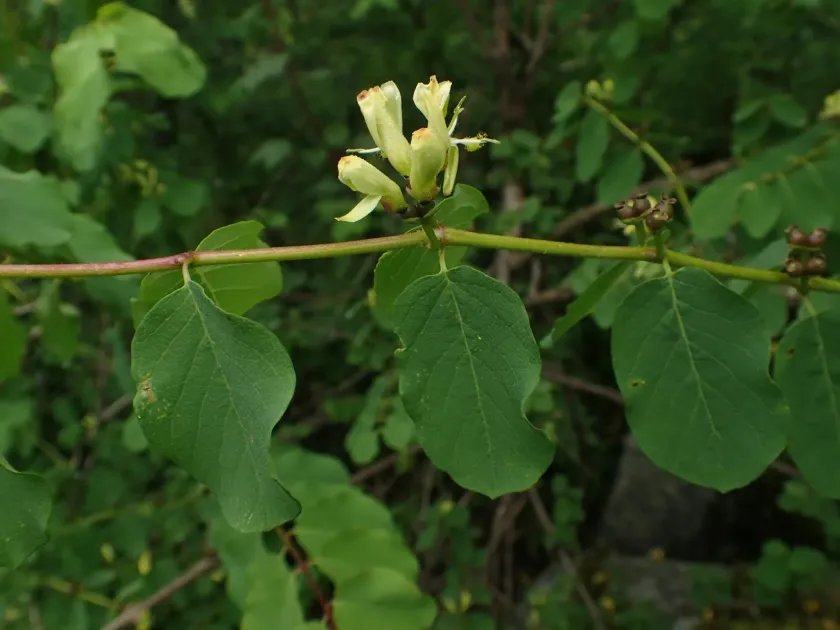
Description
Growing requirements
Hairy-flowered honeysuckle (Lonicera trichosantha) is a deciduous shrub belonging to the Caprifoliaceae family. It is known for its distinct botanical features, including the pubescence on its flowers, which gives the species its unique appearance.
Native to high-altitude areas in Asia, this plant exhibits a high degree of cold tolerance. It thrives in temperate climates and prefers sites with good drainage and consistent moisture, adapting well to a variety of garden soil conditions.
Proper site selection is essential for the health of Lonicera trichosantha. It requires full sunlight to semi-shade conditions. While it is hardy, it benefits from wind protection, especially in regions with harsh winter weather conditions.
In terms of horticulture, this species is primarily valued as an ornamental specimen. It requires minimal pruning to maintain its form, but periodic maintenance ensures that the plant remains healthy and produces the characteristic blooms annually.
Soil management for this shrub includes regular organic mulching to preserve moisture and maintain soil structure. The plant is relatively self-sufficient once established, requiring supplemental water only during prolonged periods of drought.
Main diseases and pests
The primary threats to Lonicera trichosantha include fungal infections such as powdery mildew, particularly when airflow is restricted. Ensuring correct spacing between shrubs is vital to mitigate the spread of these pathogens.
Aphids and mites represent the most common pests for this plant. Integrated pest management, including the monitoring of the foliage and timely use of horticultural oils or approved insecticides, is recommended for long-term health.