
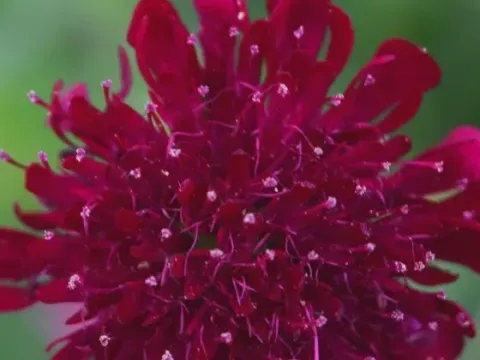
Knautia
Knautia hybrids
Knautia seeds are best sown in the autumn, as they require a period of stratification in cool soil to break dormancy and ensure high germination rates.
What the section contains
Knautia
For spring sowing, seeds must be artificially stratified in a refrigerator for at least four to six weeks before being planted in the seedbed or trays.
Seeds should be covered with a very light layer of soil, no more than 0.5 to 1 cm deep, as they need exposure to ambient light to successfully sprout.
When starting in greenhouses, sow seeds in early spring, maintaining a consistent temperature to facilitate uniform seedling development before outdoor transplanting.
Space the plants approximately 30–40 cm apart to ensure adequate airflow and root development as the plants mature into their characteristic rosettes.
Knautia thrives in full sun, which is critical for strong stem development and abundant flowering throughout the summer and autumn seasons.
The plant performs best in moderately fertile, well-draining soil that contains some lime content, preferring a neutral to slightly alkaline pH level.
Once established, Knautia displays excellent drought tolerance due to its deep taproot, making it suitable for low-maintenance landscaping and meadows.
It is vital to avoid heavy, waterlogged soils, as the crown of the plant is susceptible to rot if moisture levels remain too high for extended periods.
Routine maintenance includes light weeding and, if necessary, an application of organic mulch to preserve soil structure and regulate surface temperature.
Knautia is highly valued in agriculture and ecology as an exceptional nectar source, attracting a diverse range of bees, butterflies, and other beneficial pollinators.
The plant is frequently utilized in wild-flower seed mixes for ecological restoration projects, providing both aesthetic value and habitat support for biodiversity.
In a commercial flower-growing context, the yield of cut stems can be extended by regular deadheading, which encourages the production of new flower buds.
Seed production requires harvesting when the seed heads turn brown, which ensures the maturity and viability of the collected crop for future seasons.
The total yield of flowering heads is optimized when the plant is given sufficient space and minimal competition from aggressive grass species.
Powdery mildew is the most common disease affecting Knautia, typically occurring in humid conditions or where plants are placed too closely together.
Slugs and snails can cause significant damage to young foliage during wet springs, necessitating the use of barrier methods or biological control agents.
Aphid infestations may occur on the stems during peak growth periods, which can sometimes result in stunted development of the flower heads.
To prevent disease, it is essential to ensure adequate site selection with good air circulation and to avoid overhead irrigation late in the evening.
If fungal issues are detected, removing affected parts of the plant and improving the surrounding soil drainage are effective non-chemical management strategies.
Cut flower harvesting should be carried out in the early morning, selecting stems with mature, open flowers to ensure the longest vase life for the product.
For seed collection, wait for the flower heads to dry completely on the stem, then cut and place them in a breathable paper bag to catch falling seeds.
Maintenance pruning at the end of the season involves cutting the plant back to the basal rosette, which prepares the rootstock for winter dormancy.
Properly cleaned and dried seeds should be stored in a cool, dark, and dry environment to maintain their germination potential until the next planting cycle.
Large-scale harvesting in naturalized areas is often minimal, as the plants are left to provide food and shelter for insects throughout the winter months.