
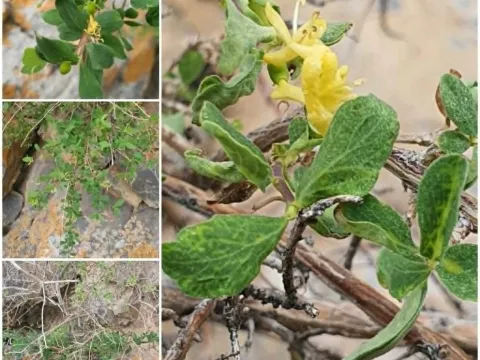
Bristly-fruited honeysuckle
Lonicera chaetocarpa
Bristly-fruited honeysuckle (Lonicera chaetocarpa) is a deciduous shrub belonging to the Caprifoliaceae family. It is distinct for its botanical profile, characterized by fruits that are covered in stiff, bristle-like hairs, which gives the species its common and scientific names.
What the section contains
Bristly-fruited honeysuckle
Native to the mountainous regions of China, this species is primarily cultivated for ornamental purposes in botanical gardens and private collections. It serves as an excellent specimen plant due to its unique texture and structural form.
The plant thrives in fertile, well-draining loamy soils with a pH ranging from neutral to slightly acidic. Proper soil moisture management is essential, as the species does not tolerate waterlogged conditions which can compromise root health.
In terms of light, it requires a location with full sun to partial shade to achieve optimal growth. Adequate exposure to sunlight is critical for the development of its distinctive fruit and to ensure the plant maintains its natural, compact shape.
Standard horticultural practices for this shrub include regular mulching to retain soil moisture and annual pruning. Pruning is best performed after the flowering phase to encourage healthier growth for the following season and to maintain the desired aesthetic.
Common health issues for this honeysuckle species include susceptibility to powdery mildew, especially in environments with poor air circulation or consistently high humidity levels during the summer months.
Pests such as aphids and leaf rollers may occasionally target the foliage. Integrated pest management, including the use of biological control agents or targeted horticultural oils, is effective in managing these infestations without harming the surrounding ecosystem.