
Caucasian honeysuckle
Lonicera caucasica
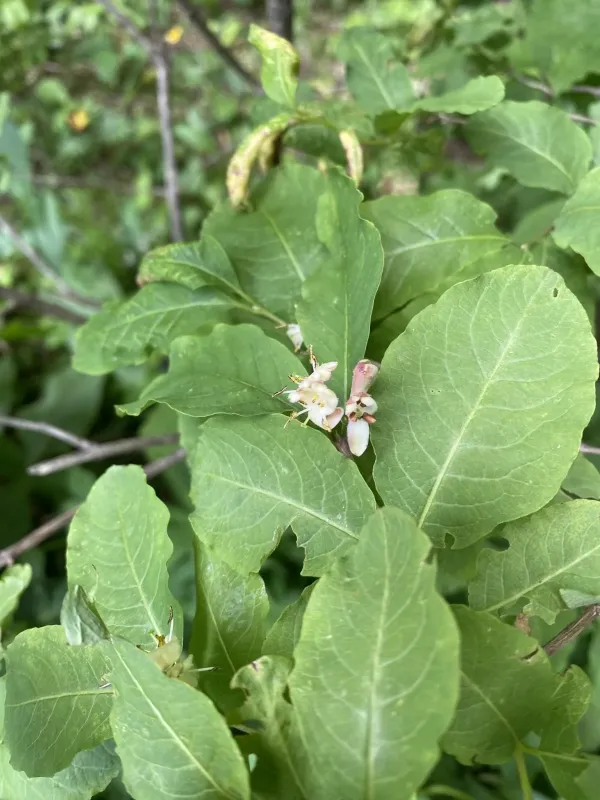
Description
Growing requirements
Caucasian honeysuckle (Lonicera caucasica) belongs to the Caprifoliaceae family. It is a deciduous shrub native to the mountainous regions of the Caucasus, where it typically grows in woodland edges and on rocky terrain.
The plant is characterized by its upright habit and opposite, ovate leaves. Its flowers, which appear during the growing season, are typical of the genus Lonicera and provide ornamental value, often displaying pale yellow or white petals.
Regarding growth requirements, this species thrives in well-drained, fertile soils with a neutral pH. It requires a stable moisture level in the substrate but must be protected from waterlogging to prevent root decay.
Climatically, Lonicera caucasica prefers moderate conditions and can adapt to various light environments ranging from full sun to partial shade. Its hardiness makes it a reliable choice for temperate garden environments and regional reforestation.
In practice, the plant is primarily used for ornamental purposes, such as hedges or group plantings in landscape architecture. Its root system is also effective in soil stabilization on slopes, making it valuable for environmental conservation.
Main diseases and pests
The main health concerns for Caucasian honeysuckle include powdery mildew, a fungal pathogen that targets the foliage during humid and warm weather, significantly reducing the plant's decorative appearance.
Pest issues often involve aphids or scale insects that feed on young saplings. Proper horticultural management, including pruning for air circulation and the use of integrated pest control, is essential for maintaining plant health.