
Bracteolate honeysuckle
Lonicera bracteolaris
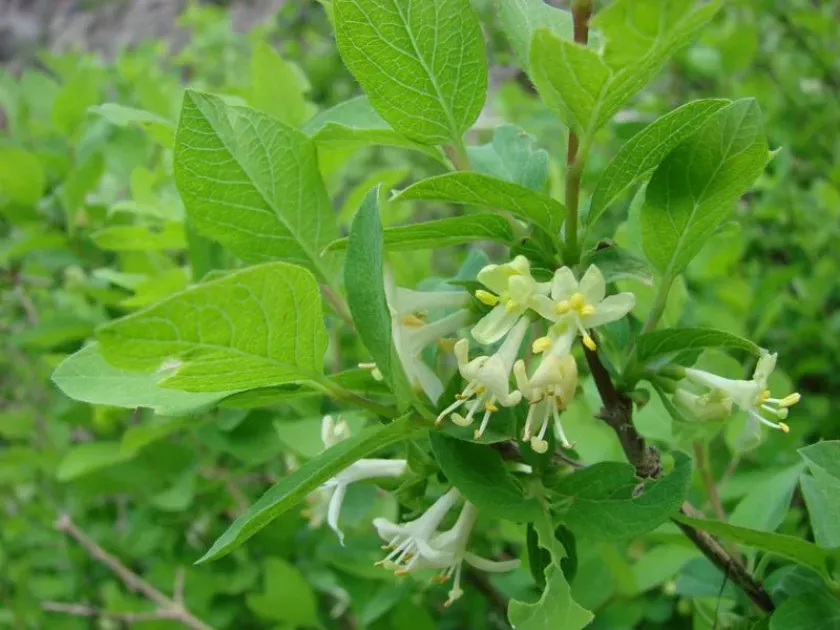
Description
Sowing dates
Sowing seeds of Lonicera bracteolaris is most successful when performed in late autumn, allowing for natural stratification throughout the winter. This method ensures that the seeds break dormancy naturally when spring temperatures rise.
If spring sowing is preferred, seeds must undergo cold stratification in a refrigerator at temperatures between 2°C and 5°C for approximately three months to simulate winter conditions.
Vegetative propagation via cuttings is the preferred method for maintaining genetic uniformity. Semi-hardwood cuttings should be taken in mid-summer and placed in a humidified rooting medium with sufficient shading.
Transplanting container-grown saplings into the field should occur in early autumn. This timing allows the root system to establish itself within the soil profile before the dormancy period begins.
Proper spacing is crucial to prevent the overcrowding of foliage, which is a common issue with many Lonicera species. Providing at least 1.5 meters between individual shrubs facilitates optimal growth.
Growing requirements
As a member of the Caprifoliaceae family, Bracteolate honeysuckle thrives in well-drained, loam-based soils with moderate fertility. Improving soil structure with organic amendments is highly recommended for best results.
The shrub prefers full sun to partial shade. While it exhibits tolerance to varied environmental conditions, consistent exposure to sunlight is required to maximize its decorative potential and growth rate.
Watering requirements are moderate; the soil should be kept moist but never waterlogged. During periods of extended drought, supplemental irrigation is necessary to prevent wilting and stress.
Routine maintenance includes annual pruning to remove dead or diseased branches. This encourages airflow through the canopy and promotes the development of stronger, more vigorous vegetative shoots.
Mulching with organic matter, such as wood chips or compost, around the base of the plant helps retain soil moisture, suppresses weed competition, and contributes to long-term soil health.
Main diseases and pests
Aphids represent the most significant pest threat to this culture. They typically colonize young, succulent leaves, causing curling and reducing the overall vigor of the shrub through sap extraction.
Leaf-chewing insects, such as caterpillars and sawfly larvae, can cause aesthetic and physical damage during the active growing season. Integrated pest management using biological controls is often effective.
Powdery mildew is a prevalent fungal disease that appears as a white, dusty layer on leaves, usually following periods of high humidity or poor ventilation around the dense shrubbery.
Fungal leaf spots can occur if the plant is frequently subjected to overhead watering. Proper irrigation techniques that target the base of the plant help mitigate these risks significantly.
Weakened plants are more susceptible to secondary pathogens. Ensuring correct fertilization and monitoring for early signs of stress is vital for maintaining the plant's natural resistance to diseases.