
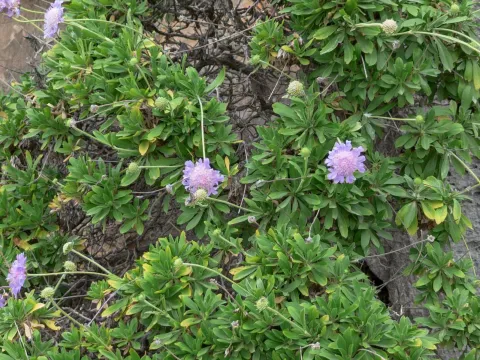
Lomelosia
Lomelosia
Sowing Lomelosia seeds in open ground is best conducted in spring, once the soil temperature reaches 10–12°C. Alternatively, sowing can be done before winter to allow the seeds to undergo natural stratification, which often improves germination rates.
What the section contains
 Lomelosia albocincta
Lomelosia camelorum
Lomelosia camelorum
Lomelosia albocincta
Lomelosia albocincta
Lomelosia camelorum
Lomelosia camelorum
 Lomelosia crenata
Lomelosia crenata
Lomelosia crenata
 Lomelosia cretica
Lomelosia cretica
Lomelosia cretica
 Lomelosia graminifolia
Lomelosia graminifolia
Lomelosia graminifolia
 Lomelosia micrantha
Lomelosia micrantha
Lomelosia micrantha
 Lomelosia palaestina
Lomelosia palaestina
Lomelosia palaestina
 Lomelosia porphyroneura
Lomelosia porphyroneura
Lomelosia porphyroneura
 Lomelosia prolifera
Lomelosia prolifera
Lomelosia prolifera
 Lomelosia pulsatilloides
Lomelosia pulsatilloides
Lomelosia pulsatilloides
 Lomelosia rhodopensis
Lomelosia rhodopensis
Lomelosia rhodopensis
 Lomelosia simplex
Lomelosia simplex
Lomelosia simplex
 Silver pincushion
Lomelosia argentea
Silver pincushion
Lomelosia argentea
 Starry scabious
Lomelosia stellata
Starry scabious
Lomelosia stellata
Lomelosia
The ideal time for field planting or sowing is between April and May, depending on the local climate. For earlier flowering, professional growers frequently use a nursery seedling method, starting the process indoors as early as March.
Lomelosia seeds require high-quality substrate for stable germination. Using a nutrient-rich soil mix with a neutral pH level is crucial for healthy root development during the initial growth stages of the plant.
The seeds should be sown at a shallow depth of approximately 0.5 to 1 centimeter, as they require access to sunlight to trigger the germination process. After sowing, lightly cover with soil and maintain consistent moisture until sprouts emerge.
Maintain a spacing of at least 30–40 centimeters between plants to ensure sufficient nutrition and airflow. Optimal plant density is vital for preventing the development of fungal pathogens and supporting vigorous vegetative growth.
Lomelosia, a member of the Caprifoliaceae family, thrives in well-lit locations with direct sun exposure. The plant is notably drought-tolerant, making it an excellent candidate for regions with limited rainfall and high solar radiation.
Regarding soil conditions, this culture performs best in well-drained, lime-rich, or neutral loam soils. Avoiding water stagnation is of the utmost importance, as excessive moisture often leads to root decay and various fungal infections.
The ideal temperature for active growth ranges between 18°C and 25°C. Although the plant exhibits decent winter hardiness in moderate climates, young plantings may require light protection with agro-fiber during unusually harsh, snowless winters.
A moderate irrigation schedule is recommended, particularly during the bud formation phase. Once mature, the plant can withstand short periods of drought without losing its aesthetic value or structural integrity of the inflorescences.
Regular cultivation of the inter-row space is necessary to improve soil aeration and water infiltration. Effective weed control is vital during the early stages of growth to prevent nutrient competition and ensure the plant establishes itself successfully.
The commercial use of Lomelosia is primarily focused on ornamental gardening and cut flower production. The plant is highly valued for its long flowering period and the durability of its flower heads in professional floristry.
Yield and flower output depend significantly on soil fertility and the overall intensity of agricultural management. With proper fertilization and care, the yield per square meter can reach impressive levels, increasing the economic viability of the crop.
To ensure consistent flower production throughout the season, regular pruning of faded inflorescences is essential. This practice stimulates the plant to produce new shoots, significantly extending the decorative period until late autumn.
The strong root system of Lomelosia makes it a versatile choice for landscape designers working on rock gardens or mixed borders. In seed production fields, yield is determined by timely harvesting once the seed pods have fully matured and hardened.
The quality of the floral output increases with the application of balanced NPK fertilizers during the budding phase. Maintaining an optimal ratio of nitrogen and potassium is key to producing robust flower stalks and vibrant petal coloration.
Powdery mildew is a common disease affecting Lomelosia, particularly in conditions with high humidity and poor ventilation. Effective management involves the timely application of systemic fungicides to prevent the spread of the pathogen.
Root rot often occurs due to poor drainage or excessive irrigation practices. Prophylactic measures, such as maintaining correct soil moisture levels and practicing crop rotation, are essential for mitigating the risk of soil-borne diseases.
Pests like aphids can cause significant damage to young shoots and inflorescences by feeding on plant sap. Using pyrethroid-based insecticides allows for quick control and eradication of pest colonies at the first sign of infestation.
Spider mites can be particularly destructive during hot and dry weather. Frequent monitoring and the use of targeted acaricides are recommended to keep mite populations under control and prevent foliage discoloration and tissue damage.
Standard plant protection programs should include:
- preventative fungicide treatments;
- optimizing planting density to ensure airflow;
- prompt removal of diseased plant debris;
- regular monitoring of vegetative health;
- sanitization of all cutting and cultivation tools.
Harvesting for floral use should occur early in the morning when the plant tissue is fully turgid with moisture. Use a sharp, sterilized secateur to cut the stems, leaving a sufficient length for the desired floral arrangements.
Seed harvesting should only begin once the seed pods have turned fully brown and dry. This operation must be performed under dry weather conditions to prevent mold formation during the storage or drying phases of the process.
After collection, the seed material must be cleaned of debris and dried in a shaded, well-ventilated area. Protection from direct sunlight is crucial to maintaining the high germination potential of the stored seeds.
Seeds can typically be stored in a cool, dry environment for up to 2–3 years. Before planting, it is recommended to treat the seeds with appropriate fungicides to eliminate any dormant pathogens on the outer coat.
Post-season management involves the removal and destruction of crop residues. This step is necessary to break the cycle of any pests or diseases that may overwinter on the plant material, ensuring a clean field for the next growing cycle.