
Lomelosia cretica
Lomelosia cretica
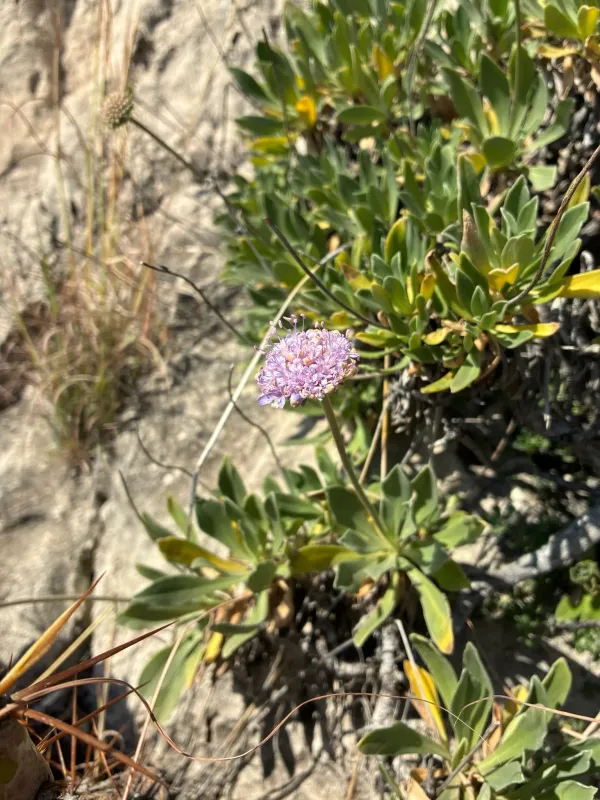
Description
Sowing dates
Lomelosia cretica, belonging to the Caprifoliaceae family, is a perennial plant native to rocky, Mediterranean habitats. Cultivation typically begins with seeds, which require specific conditions to germinate successfully.
Seeds should be sown in a well-draining, sandy-based substrate during late winter or early spring. Maintaining a light, airy environment is essential to prevent seedling damping-off.
Cold stratification is highly recommended for these seeds to ensure consistent and high-percentage germination, mimicking natural winter cycles in their native environment.
Once seedlings have developed at least two sets of true leaves, they should be carefully transplanted into individual pots. Gradual acclimatization is necessary before planting them in permanent outdoor beds.
When planting in the field, it is important to provide sufficient space, roughly 30 to 40 centimeters apart, to allow for optimal air circulation around the root crown.
Growing requirements
As a Mediterranean species, this plant is a classic xerophyte. It thrives in sunny locations and is highly adapted to tolerate periodic drought conditions without compromising its health.
Soil requirements are strict: the plant mandates a neutral to alkaline pH level. Soils must be extremely well-draining; any tendency for moisture retention will lead to immediate root decay.
Full solar exposure is non-negotiable for Lomelosia cretica. Reduced sunlight causes the plant to lose its compact, mounded habit and significantly weakens flowering performance.
Climate management is crucial in cooler regions. While hardy, the plant requires protection from freezing temperatures and excess winter precipitation to survive dormancy.
Minimal fertilization is required for this species. Excessive nutrients, especially nitrogen, can stimulate weak growth and reduce the plant’s natural resilience to environmental stress.
Main diseases and pests
Fungal diseases are the primary threat, specifically root rot triggered by stagnant water. Good soil drainage is the most effective preventative measure against these pathogens.
Aphids can be problematic during the active growing season, particularly if the plant is stressed by poor environmental conditions. Regular monitoring is essential.
Nematodes are another silent threat that can significantly impact the health of the root system. Avoiding sites previously infested with root-feeding pests is vital.
Powdery mildew may occur during humid spells or in areas with poor airflow. Ensuring that individual plants are not overcrowded is the best way to avoid this issue.
Biological and cultural controls, such as avoiding overhead watering, should be prioritized over chemical treatments to maintain the health of the soil microbiome.
Harvesting
The primary use of this crop is ornamental. Harvest for floral arrangements is best executed when flowers are approximately 75 percent open to maximize vase life.
Seed harvesting should be performed during dry weather, ensuring that the fruit heads are thoroughly dried on the stem before collection to prevent post-harvest fungal issues.
After the peak blooming season, light pruning of spent flower spikes is advised. This practice enhances the visual appeal and encourages the plant to focus energy on foliage development.
In landscape design, this plant is prized for its ability to maintain structure. Annual maintenance keeps the plant tidy and prevents the center of the crown from becoming woody.
Proper harvest and post-harvest maintenance allow the plant to remain productive for several years, provided the soil drainage remains uncompromised over time.