
Lomelosia palaestina
Lomelosia palaestina
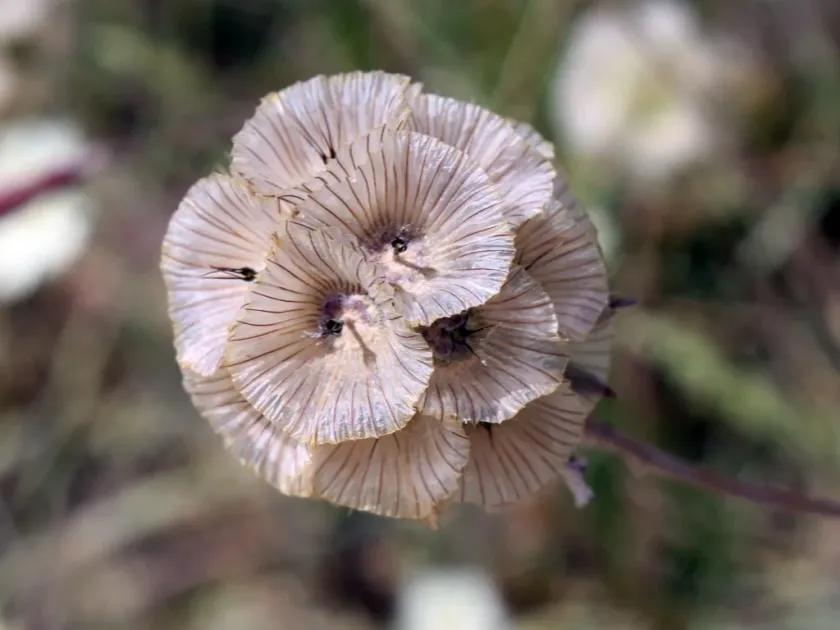
Description
Sowing dates
Lomelosia palaestina, a member of the Caprifoliaceae family, is a perennial plant characterized by its robust growth habits and distinctive inflorescences.
Sowing should be performed in early spring, once the danger of severe frost has passed and the soil has reached a stable temperature.
The seeds require a well-prepared seedbed, ideally consisting of a friable, sandy loam mix that promotes rapid radicle emergence.
Direct seeding in the field is preferred, with a planting depth of approximately 1 cm to ensure optimal oxygen availability to the germinating embryos.
Following sowing, light irrigation is necessary to settle the soil, while subsequent moisture levels should be managed to avoid saturation.
Growing requirements
The plant thrives in full sun exposure, which is critical for maximizing flower production and maintaining the integrity of the foliage.
Soil requirements focus on drainage, as this species is susceptible to root rot in heavy, compacted, or waterlogged soils.
Adaptability to Mediterranean climates means that the plant is inherently drought-tolerant, making it suitable for regions with limited rainfall.
Fertilization should be handled carefully; excessive nitrogen can lead to overly succulent growth that is more prone to environmental stress.
Adequate spacing is crucial to ensure good airflow between plants, which is a preventive measure against the development of foliar pathogens.
Main diseases and pests
The primary threats to Lomelosia palaestina in agricultural settings include fungal diseases such as powdery mildew, which thrive in humid conditions.
Root rot, caused by various soil-borne pathogens, is a significant threat when soil drainage is insufficient, often leading to rapid plant decline.
Aphids can be a common pest, particularly during the active growth phase, as they cluster on the succulent stems and developing flower buds.
Integrated pest management strategies involving natural predators or targeted organic treatments are recommended to maintain plant health.
Routine monitoring of the crop is essential to detect pest outbreaks or initial signs of disease before they cause widespread damage to the plantation.
Harvesting
Harvesting for commercial purposes primarily involves the collection of flowers for the floriculture industry or seeds for propagation.
Flower stalks should be harvested when the first florets open, ensuring they have the maximum vase life post-harvest.
Seed harvesting should be timed carefully; it is best to harvest when the majority of seed heads have turned brown and dry.
The use of mechanical harvesting equipment is generally discouraged for small plots to prevent damage to the delicate floral structures.
Post-harvest processing involves sorting, cleaning, and drying the material under ventilated conditions to preserve quality for later use or sale.