
Lomelosia graminifolia
Lomelosia graminifolia
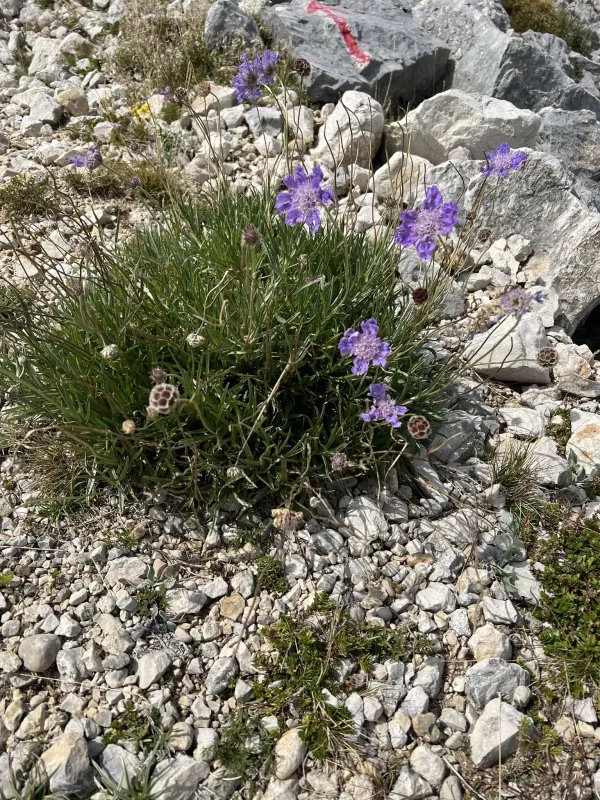
Description
Sowing dates
Sowing of Lomelosia graminifolia is best performed during the early spring when soil temperatures reach 15-18 degrees Celsius. For optimal results, seeds should be started indoors in seed trays filled with a well-draining, lightweight substrate.
When transplanting into open ground, spacing should be set at 30–40 centimeters to ensure adequate airflow. Proper spacing is a critical agronomic factor in preventing humidity-related diseases, which often plague high-density plantings.
The seeds require light for germination, so they should be covered only very thinly with fine sand or perlite. Maintaining a consistent but moderate moisture level in the substrate is essential during the initial 2–3 weeks of the germination period.
Once true leaves appear, seedlings should be thinned or transplanted into individual pots to avoid root competition. This process promotes a robust root system, which is vital for the plant's long-term survival in garden settings.
Direct sowing in the fall is only advisable in mild climate zones where the risk of deep frost is minimal, allowing the plant to establish itself before the arrival of the harsh winter season.
Growing requirements
Lomelosia graminifolia, belonging to the Caprifoliaceae family, is native to rocky and limestone-rich alpine regions of Europe. It thrives in full sun exposure and is highly intolerant of even partial shade, which leads to weak growth.
The soil requirements are strict: the plant mandates excellent drainage and thrives in slightly alkaline or neutral, gritty soils. Heavy, water-logged clays are generally fatal to this species and must be amended with gravel or sharp sand.
This species is well-adapted to dry environments and displays significant drought resistance once established. Overwatering is the most common mistake in managing this crop, as it quickly causes root decay in the crown area.
Fertilization should be kept to a minimum, focusing on balanced minerals applied in early spring. Avoid high-nitrogen fertilizers, as they lead to excessive vegetative growth at the expense of the plant's characteristic delicate flowering display.
The plant is hardy in temperate climates but benefits from winter protection in regions prone to frost heaving and fluctuating temperatures. A light mulch of gravel or dry pine needles can help protect the root crown from excess winter moisture.
Main diseases and pests
Root and crown rot are the primary threats to the health of Lomelosia graminifolia, almost always stemming from improper drainage or excessive soil moisture. Prevention is focused entirely on site selection and soil structure.
Aphids represent the most frequent insect pest, typically targeting the tender new growth during the flowering season. Standard horticultural management includes regular inspection and the use of targeted insecticides when pest pressure exceeds the threshold.
Powdery mildew may occur during seasons characterized by high humidity and poor air circulation. Effective control requires both the application of appropriate fungicides and the removal of infected plant tissue to stop the spread.
Slugs and snails are occasional pests that can decimate young transplants in spring. The use of physical barriers or organic molluscicides is recommended to protect the young plants during their vulnerable developmental stage.
Integrated pest management suggests that maintaining plant vigor through proper environmental conditions is the most reliable defense, as healthy Lomelosia plants have natural resistance to many secondary infections.