
Lomelosia rhodopensis
Lomelosia rhodopensis
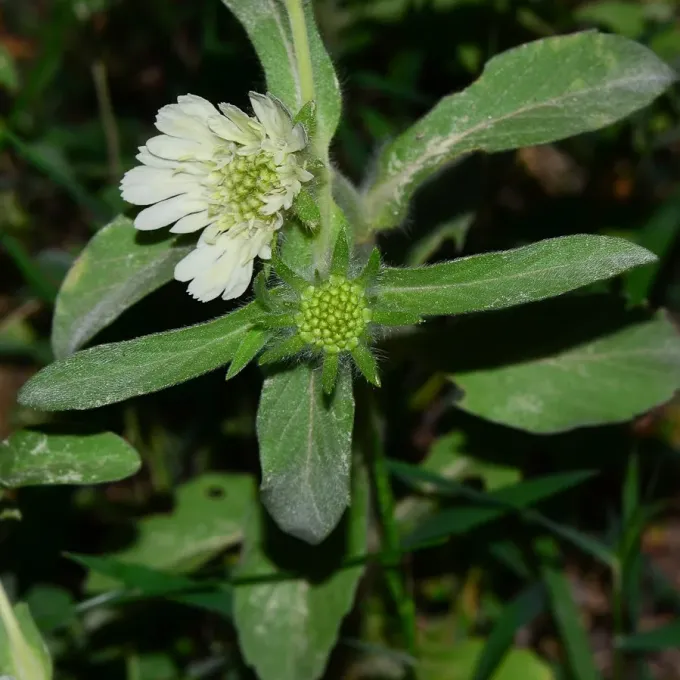
Description
Growing requirements
Lomelosia rhodopensis is a perennial herbaceous plant belonging to the Caprifoliaceae family. It is naturally endemic to the Rhodope Mountains, having adapted to the specific soil and climatic conditions of this mountainous region.
The plant thrives in open, sunny locations with plenty of exposure to natural light. Its drought-tolerant nature makes it an excellent candidate for xeriscaping or dry gardening in temperate climates.
Regarding soil requirements, this culture demands well-draining, loose substrates. It prefers neutral to slightly alkaline soil conditions and tends to decline in heavy, waterlogged clay soils, which can lead to root damage.
Agrotechnical practices include maintaining adequate soil aeration through periodic weeding and cultivation. While the plant is robust, supplemental watering is recommended only during severe, prolonged drought conditions in its first year of establishment.
In terms of economic and functional use, the plant is valued for its ornamental appeal in rock gardens and herbaceous borders. It acts as a significant pollinator-friendly species, supporting local biodiversity in garden settings.
Main diseases and pests
The primary concern for plant health is fungal disease, particularly root rot triggered by excessive moisture. Ensuring a well-drained site is the most effective preventative measure against such pathogens.
Pests that may occasionally affect the plant include aphids or spider mites. Regular monitoring during the peak blooming season allows for early intervention using integrated pest management techniques, avoiding harsh chemical treatments.