
Lomelosia simplex
Lomelosia simplex
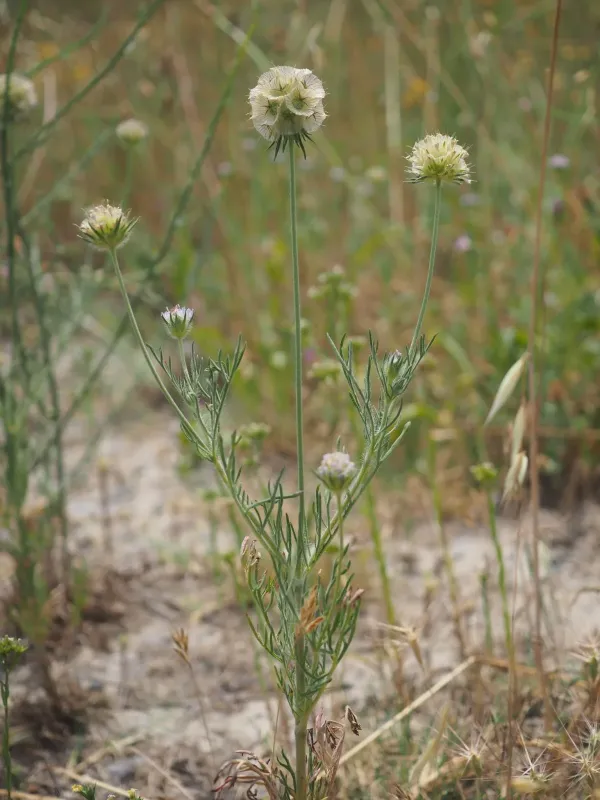
Description
Growing requirements
Lomelosia simplex is a perennial herbaceous plant belonging to the Caprifoliaceae family. It is often historically identified under the genus Scabiosa, which remains a key reference point for many botanical databases.
Native to steppe regions and arid environments, this plant is naturally adapted to survive in open landscapes with high solar radiation and low precipitation levels throughout the growing season.
The plant thrives in well-drained, porous soils and exhibits a strong preference for neutral to alkaline soil conditions. It is notably drought-resistant, requiring minimal irrigation once the root system is well-established.
Botanically, it features a basal rosette of leaves and sturdy peduncles that support distinct, head-like inflorescences. This architectural growth habit contributes to its visual appeal in both wild and cultivated settings.
Its primary agricultural and horticultural use lies in ornamental gardening, specifically in sustainable landscape design that emphasizes low-input, water-wise plant varieties.
Main diseases and pests
The most significant threat to Lomelosia simplex is root rot, which is primarily caused by poor drainage and excessive moisture accumulation in the soil profile.
Powdery mildew is a common fungal disease that affects the foliage during humid periods, potentially reducing the photosynthetic capacity of the plant and its overall aesthetic value.
Aphids represent the most frequent insect pest, particularly in the early stages of blooming, when they target the succulent tissues of the developing flower heads.
Agricultural management should prioritize proper soil structure and spacing to maximize airflow, as adequate ventilation significantly reduces the incidence of fungal outbreaks.
Integrated pest management strategies are recommended, as the plant acts as a vital resource for local pollinators, making chemical control measures undesirable.