
Silver pincushion
Lomelosia argentea
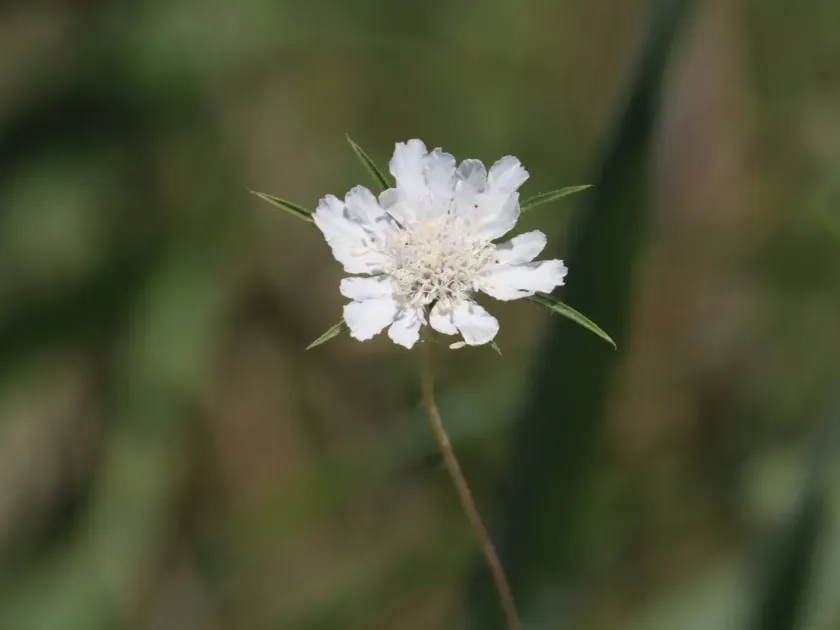
Description
Sowing dates
Sowing of silver pincushion seeds is typically conducted in early spring once soil temperatures reach a consistent level of at least 10–12 degrees Celsius.
To ensure high germination rates, it is recommended to stratify the seeds at low temperatures for approximately one month prior to planting in the field.
Seeds should be sown shallowly, at a depth of 1–2 centimeters, as they require light exposure and good soil aeration to break dormancy effectively.
Standard field row spacing ranges from 45 to 60 centimeters, allowing sufficient room for the plant's basal rosette development and ease of mechanical weeding.
Growing the plants via a nursery seedling stage is a highly effective practice, as it protects young plants from adverse field conditions and promotes uniform establishment.
Growing requirements
The silver pincushion is a xerophytic plant that thrives in well-drained, sunny locations, requiring excellent soil porosity to prevent root system issues.
Sandy or limestone-rich soils are ideal for this species, as they replicate its natural habitat and prevent the accumulation of moisture around the roots.
The species is remarkably drought-tolerant, meaning it requires very little supplemental irrigation once the plants have established a deep root system.
Soil pH should preferably be neutral to slightly alkaline, and excessive fertilization—particularly with high-nitrogen synthetic fertilizers—should be avoided.
Proper airflow is essential; therefore, planting sites should be open and not prone to persistent fog or high humidity levels that might inhibit plant growth.
Main diseases and pests
Root rot represents the most significant threat to this crop, usually triggered by waterlogged soil conditions or a lack of adequate subsurface drainage.
Powdery mildew can manifest in dense plantings, particularly during periods of high ambient humidity, requiring thinning and strategic site selection for management.
Aphids and various leaf-feeding insects can cause damage during the active flowering phase, potentially reducing the yield of floral raw material.
Integrated pest management, including monitoring and the use of targeted biological controls, is highly recommended to maintain plant health throughout the season.
Weed control is mandatory, as competing weeds can harbor pathogens and reduce the vigor of the silver pincushion by competing for light and nutrients.
Harvesting
Harvesting of the silver pincushion typically occurs when the flowers are fully developed but have not yet entered the senescence phase.
The harvesting process involves cutting the stems manually or mechanically, ensuring that a portion of the foliage remains to support root recovery.
For optimal quality of the dried raw material, plants should be harvested during dry weather conditions, preferably in the morning after dew has evaporated.
Post-harvest management involves drying the stems in shaded, well-ventilated areas to preserve the silver hue and medicinal or decorative properties.
Proper storage in cool, dry conditions prevents quality degradation, ensuring that the harvested material maintains its integrity for secondary processing or commercial sale.