
Lomelosia micrantha
Lomelosia micrantha
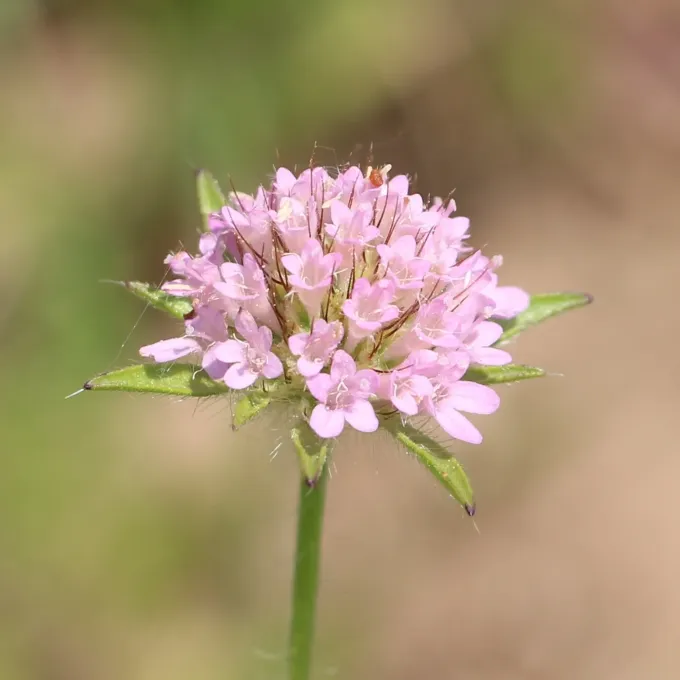
Description
Growing requirements
Lomelosia micrantha belongs to the Caprifoliaceae family and is known for its resilience in various steppe-like environments. This herbaceous perennial plant is adapted to survive in challenging conditions, often found in rocky, calcareous terrain.
The plant requires full sun to partial shade for optimal blooming. Its environmental adaptation makes it well-suited for regions with significant seasonal temperature variations and low rainfall, typical of temperate continental zones.
Regarding soil preferences, it thrives in well-drained, neutral to slightly alkaline soils. It is particularly efficient at growing in soils with limited organic content, provided they offer excellent aeration to prevent root suffocation.
Botanical traits include distinctive compound inflorescences that serve as a source of nectar for pollinators. The leaves are typically basal and serrated, which helps the plant adapt to drought by minimizing transpiration surface area.
In terms of хозяйственное use, it is valued as an ornamental plant for dry gardens and as a supporting nectar source for local bee populations. Its potential in habitat restoration is also recognized due to its ability to thrive where other plants struggle.
Main diseases and pests
The main threats to the plant's health include fungal infections that manifest during periods of excessive moisture. Root rot is a common issue when the drainage of the planting site is insufficient.
Pests such as aphids may occasionally congregate on the tender flower heads. While not usually fatal, severe infestations can stunt growth and reduce the number of seeds produced by the plant.
Powdery mildew is another risk factor, especially in areas with poor airflow and high humidity. Maintaining proper spacing between individual plants is the most effective way to prevent the spread of fungal spores.
Cultural control methods remain the primary defense: site selection and soil amendment are essential to ensure the plant's longevity and health throughout the growing season.
Environmental changes and invasive weed competition pose a significant threat to natural populations of Lomelosia micrantha in the wild, necessitating careful management of its habitat.