
Lonicera deflexicalyx
Lonicera deflexicalyx
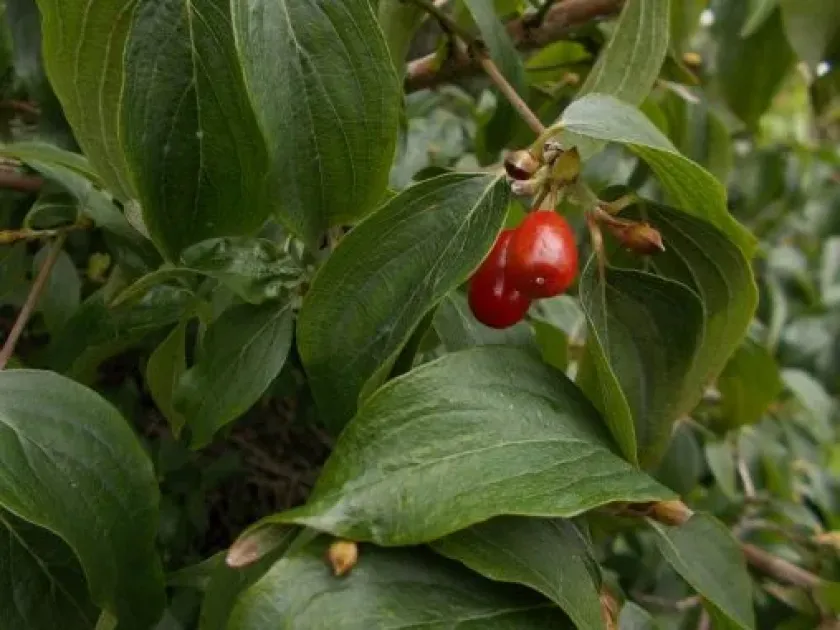
Description
Sowing dates
Lonicera deflexicalyx, belonging to the Caprifoliaceae family, is a deciduous shrub that is primarily cultivated for its ornamental value in landscaping and parks.
Propagation is most efficiently achieved through softwood or hardwood cuttings, which ensures rapid root development and maintains the genetic uniformity of the cultivar.
Seeds require a period of cold stratification to break dormancy, which is best performed in a controlled environment or by sowing outdoors in the late autumn.
When establishing a plantation, adequate spacing between plants is critical to prevent overcrowding and to facilitate long-term maintenance of the shrub structure.
Transplanting is best performed during the dormant season, which allows the root system to settle into the soil before the active growth phase begins in spring.
Growing requirements
The shrub thrives in well-drained, fertile soil with a slightly acidic to neutral pH, which supports robust root growth and efficient nutrient absorption.
Lonicera deflexicalyx prefers full sun exposure to maintain optimal vigor and flower production, although it can tolerate partial shade in hotter climates.
This species is well-adapted to temperate climates, exhibiting significant cold hardiness and the ability to withstand winter frosts without special protection.
Consistent soil moisture is essential during the plant's first few years, especially during the dry summer months to prevent stress and stunted development.
Regular mulching around the base of the plant helps retain soil moisture, suppresses weed growth, and adds necessary organic matter to the soil profile.
Main diseases and pests
Aphids are the most common pests found on this species, often congregating on the undersides of leaves and leading to curled foliage and weakened growth.
Powdery mildew can become a significant issue in damp, humid environments with poor air circulation, manifesting as a white dusting on the leaf surfaces.
Integrated pest management, including the use of targeted insecticides and improved cultural practices, is recommended to keep pest populations below damaging levels.
Sanitary pruning is a vital management tool, as it removes infected tissue and improves airflow within the canopy, thereby reducing the prevalence of fungal pathogens.
Regular monitoring of the foliage is essential to identify early signs of infestations or disease symptoms, allowing for immediate and effective intervention.