
Lomelosia crenata
Lomelosia crenata
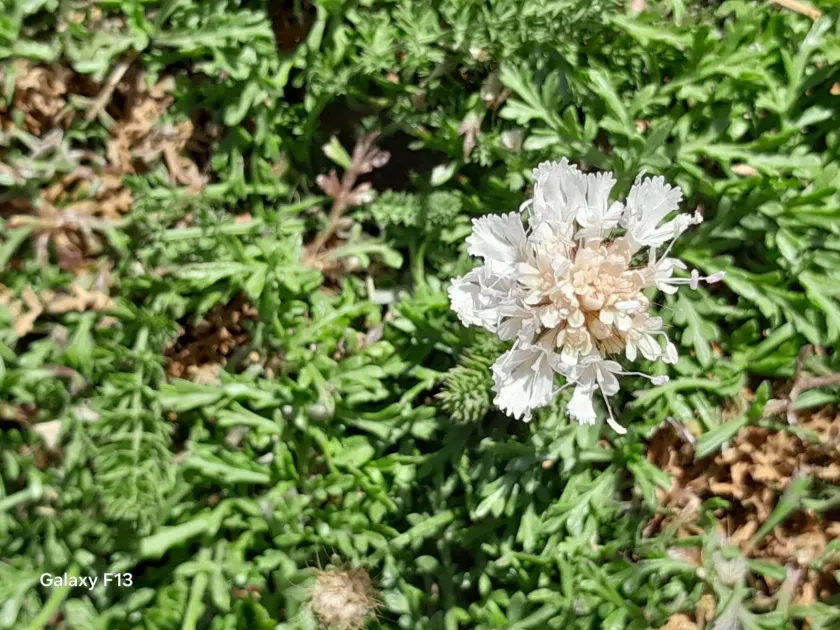
Description
Sowing dates
Lomelosia crenata is typically propagated by seeds, which can be sown directly into the soil in autumn or early spring. Sowing in autumn mimics natural conditions and often leads to more vigorous germination as soon as the ground warms up.
For indoor propagation, seeds should be started in late winter using a well-draining seed-starting mix. Maintain a temperature of about 18–20 degrees Celsius to ensure uniform germination and prevent fungal damping-off.
Transplanting seedlings requires caution because the root system is sensitive to disturbance. When the second pair of true leaves emerges, seedlings should be carefully separated into individual pots to allow them to develop a stronger root ball.
Hardening off the plants is a crucial step before moving them to the permanent garden site in late spring. This process acclimatizes the young plants to outdoor wind, sun, and temperature fluctuations.
Planting density should be carefully considered to allow adequate airflow between plants, which is essential for disease prevention, particularly during humid summer weather.
Growing requirements
Belonging to the Caprifoliaceae family, this species thrives in full sun, which is necessary for it to produce a high number of flowers. Partial shade may cause the stems to become weak and the blooming to be sparse.
The ideal soil for Lomelosia crenata is well-drained, porous, and slightly alkaline. It performs excellently in rocky or sandy soil types, where the natural drainage prevents water from sitting around the root crown.
This plant is highly valued for its drought tolerance once it is established, making it a perfect candidate for xeriscaping or rock gardens. It rarely requires supplemental watering, except during prolonged periods of intense heat.
While it can tolerate various soil textures, it struggles in heavy, clay-based soils that retain moisture for too long. If the soil is heavy, amending it with organic matter and grit is highly recommended before planting.
Regular maintenance involves light pruning of spent flower heads to encourage a second flush of blooms, as well as keeping the ground around the base free from dense weeds.
Main diseases and pests
Fungal diseases like powdery mildew are the most common issue for Lomelosia crenata, especially in areas with stagnant air. To prevent this, ensure that plants are spaced far enough apart to allow constant breeze movement.
Root rot is a significant danger in poorly drained sites. It is vital to avoid overwatering, as the roots are highly susceptible to decay in waterlogged environments, which can kill the entire plant rapidly.
Aphids are the most frequent insect pests, often gathering on the tender flower stalks. They can be managed by gentle water spraying or by applying insecticidal soaps if the infestation becomes heavy.
Spider mites might infest the foliage during hot, dry summer months. These pests cause discoloration and loss of vitality, and their presence usually indicates that the plant is under water stress.
Slugs and snails can be a nuisance for young transplants in early spring. Protecting the surrounding soil with a layer of sharp grit or using natural deterrents can effectively mitigate damage to the foliage.