
Linnaea
Linnaea
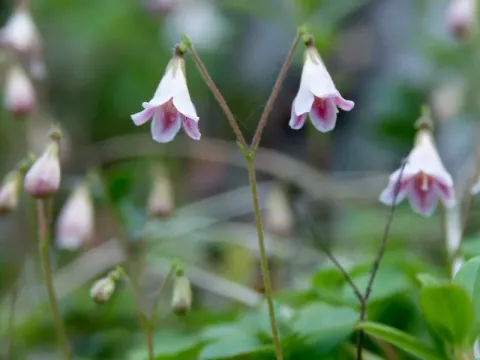
Linnaea borealis, commonly known as the twinflower, is a perennial, evergreen subshrub belonging to the Linnaeaceae family. It is widely recognized as a circumboreal species, thriving in the cool, shaded understory of coniferous forests across the northern hemisphere.
What the section contains

Linnaea
The cultural requirements for Linnaea include highly acidic, peaty soils that remain consistently moist but well-drained. It is a shade-tolerant plant that struggles in direct, intense sunlight, making it an ideal candidate for woodland gardens where high atmospheric humidity can be maintained.
In terms of cultivation, the plant is propagated mainly through layering or division of its creeping stolons. The maintenance routine involves minimal intervention beyond ensuring the soil does not dry out and providing a natural mulch layer, such as pine needles, to preserve soil chemistry.
The plant exhibits exceptional cold hardiness, reflecting its natural range in northern latitudes. While not a commercial food crop, its ecological value is significant, as it provides ground cover in forest ecosystems and supports local biodiversity by stabilizing the soil surface.
Modern usage of Linnaea is focused on specialized horticulture, particularly in landscaping that replicates native forest habitats. It serves as an excellent ground cover for areas with low light, contributing to a stable and aesthetically pleasing green carpet in suitable climatic zones.
The main threats to this species in a garden environment include prolonged drought and high summer temperatures. If the moisture levels are not maintained, the foliage can suffer from dehydration. Pathogen pressure is usually low, but poor air circulation can lead to powdery mildew outbreaks.