
Lomelosia prolifera
Lomelosia prolifera
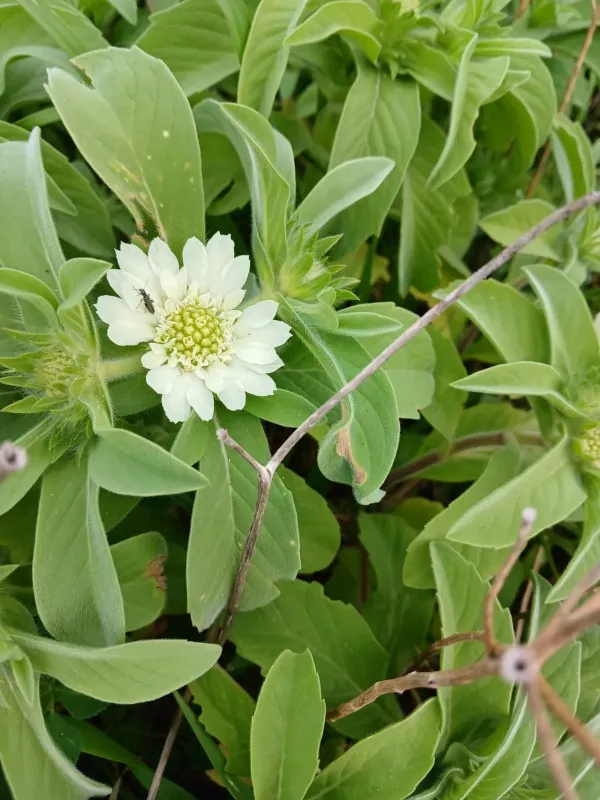
Description
Sowing dates
Lomelosia prolifera belongs to the Caprifoliaceae family. Seeds are typically sown in early spring once the soil temperature is consistently above 15 degrees Celsius.
For better germination results, seeds benefit from cold stratification for several weeks before being planted into the prepared growing medium.
The seeds should be sown at a shallow depth of one to two centimeters, ensuring proper soil contact to facilitate moisture absorption for the seeds.
Seedlings usually emerge within two to three weeks, and thinning is necessary to ensure each plant has enough space to develop its root and leaf structure.
Starting plants indoors in seedling trays allows for an earlier start to the season and provides more control over the environmental conditions for young plants.
Growing requirements
This species thrives in full sun, which is crucial for promoting strong stems and high-quality floral displays throughout the blooming season.
Well-drained soil with a neutral to slightly alkaline pH is ideal for the development of the plant and prevents damage to the delicate root system.
While the plant is relatively drought-tolerant, consistent but moderate watering is recommended during dry spells to maintain steady growth and health.
Heavy, clay-based soils should be amended with sand or organic matter to improve drainage and reduce the risk of waterlogging in the root zone.
Applying a balanced liquid fertilizer during the early stages of growth and at the start of the budding phase will significantly improve plant vigor.
Main diseases and pests
Powdery mildew is a common fungal threat, especially when high humidity levels combined with poor air circulation create an environment for spores to thrive.
Grey mold or Botrytis can become an issue if plants are overcrowded or kept too wet, leading to the rapid decay of leaves and developing flower stems.
Aphids represent a frequent pest that targets the soft, succulent growth of new shoots, which can eventually stunt the flowering potential of the plant.
Spider mites may infest the foliage during hot and arid weather conditions, necessitating early detection and treatment to prevent widespread damage.
Integrated pest management, including regular weeding and maintaining proper spacing between plants, is the best approach to minimize disease pressure.
Harvesting
If grown for cut flowers, the inflorescences should be harvested when the florets are just starting to open to ensure maximum vase life for the bouquet.
Seed harvesting should be performed only after the flower heads have turned brown and dried thoroughly on the stem to ensure full seed maturity.
Deadheading spent flowers is highly recommended, as it encourages the plant to allocate its energy toward producing a second flush of blooms.
At the end of the season, the stems should be cut back, and the garden bed can be prepared for seasonal winter dormancy or replanting activities.
Cleaned seeds must be stored in a cool, dark, and dry environment to maintain high germination rates for future planting seasons.