
Lonicera confusa
Lonicera confusa
Description
Growing requirements
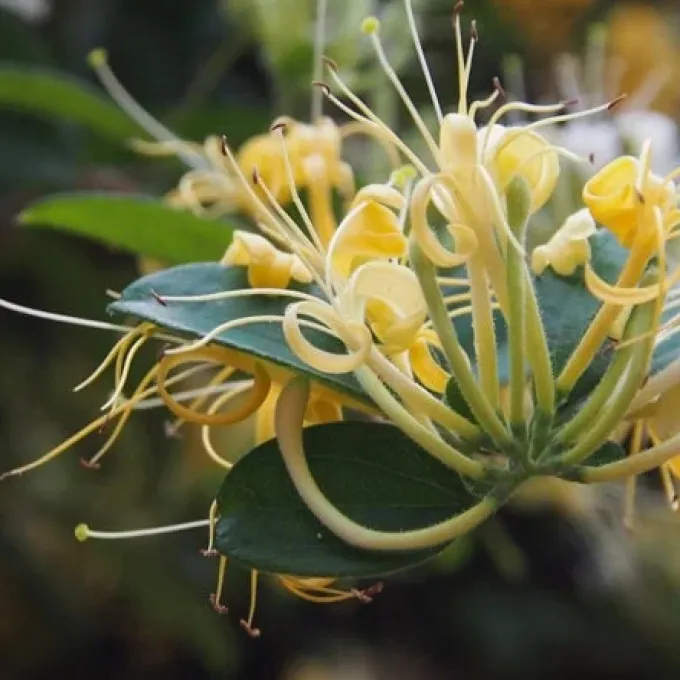
Lonicera confusa, commonly known as a species of honeysuckle, is a perennial climbing shrub belonging to the Caprifoliaceae family. Originating from East Asia, particularly tropical and subtropical regions of China, it is well-regarded for its fragrant flowers and medicinal properties.
The plant thrives in warm, humid climates with ample access to sunlight. While it can tolerate partial shade, maximum growth and floral yield are achieved in open, well-lit environments where the plant can climb effectively using appropriate trellises or supports.
Soil requirements focus on fertility and drainage; Lonicera confusa prefers deep, loamy soils that hold moisture without becoming waterlogged. Regular application of organic matter helps sustain the nutrient levels necessary for the vigorous growth of this vine.
Agricultural management involves routine pruning to maintain plant shape and density, which prevents the inner parts of the vine from becoming too sparse. Irrigation should be balanced, ensuring the root zone remains consistently moist during the peak summer growing season.
Economically, the plant is highly valuable for its dried flower buds, which are a staple in traditional herbal medicine. These buds are rich in phenolic compounds, including chlorogenic acid, making them a significant ingredient in modern pharmaceutical anti-inflammatory formulations.
Main diseases and pests
The most common pests affecting Lonicera confusa are aphids and scale insects, which target the tender new growth. Integrated pest management strategies, such as introducing beneficial insects or using insecticidal soaps, are recommended to maintain plant health.
Pathogenic challenges include powdery mildew, which can significantly damage the foliage if humidity levels remain excessively high without adequate ventilation. Ensuring proper spacing during plantation and applying systemic fungicides can effectively control the spread of these pathogens.