
Lomelosia albocincta
Lomelosia albocincta
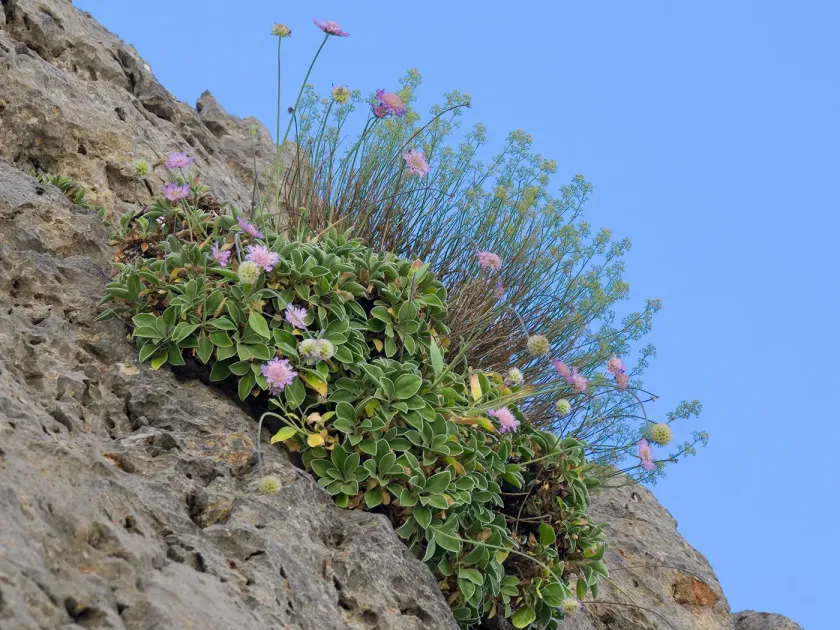
Description
Sowing dates
Lomelosia albocincta is a perennial herbaceous plant belonging to the Caprifoliaceae family. In agricultural cultivation, seeding should be planned for the early spring, once soil temperatures consistently reach 10–12°C to ensure successful germination and establishment.
Seeds are sown into well-prepared, loose soil at a shallow depth of approximately 1–2 cm. Providing adequate light is crucial during the early stages, as light availability promotes vigorous seedling development and prevents premature stem elongation.
For large-scale cultivation, seedlings can be started in controlled environments before transplanting to the field. This method enhances survival rates and ensures a more uniform plant stand across the entire production area.
Spacing guidelines should be strictly followed, typically allowing 30–45 cm between rows. This spacing is vital for air circulation, which helps manage microclimate humidity and reduces the incidence of plant pathogens during the growing season.
Regular monitoring of seedbeds is necessary during the emergence phase. The soil should remain moist but never waterlogged, as excess water can easily trigger fungal infections that jeopardize the young crop.
Growing requirements
The crop thrives in sunny, open locations with well-drained, sandy or light loamy soils. Exposure to full sun is necessary for optimal development and to ensure the intense flowering characteristic of the species, as shade significantly diminishes yield.
One of the primary advantages of this crop is its exceptional drought tolerance, making it an excellent choice for regions with erratic rainfall. However, supplemental irrigation during the bud development stage can significantly increase overall biomass and flowering duration.
Soil pH should be maintained between 6.5 and 7.5. The crop is sensitive to soil compaction and water stagnation, making proper field drainage an essential prerequisite for successful agricultural production of this species.
Fertilization management should be balanced; excessive nitrogen input can lead to over-development of foliage at the expense of floral production. Potassium and phosphorus application, if soil tests suggest a deficiency, will support strong root systems and better environmental resilience.
Temperature adaptability is a key trait of this plant, allowing it to withstand seasonal fluctuations. In colder regions, providing mulch during the winter months helps protect the root zone from severe frost damage.
Main diseases and pests
Fungal diseases, specifically powdery mildew and root rots, represent the most significant threats to Lomelosia albocincta. These issues are almost always associated with high humidity or poor soil drainage, necessitating careful site selection.
Pests such as aphids and spider mites can occasionally affect the plants, especially during prolonged dry spells. Integrated pest management strategies, focusing on biological controls and regular field scouting, are the preferred methods for long-term health maintenance.
Root nematodes can cause localized stunting and structural damage to the root system. Implementing a multi-year crop rotation program is highly recommended to break the life cycle of soil-borne pathogens and pests.
Weed competition is particularly detrimental in the first year of establishment. Mechanical cultivation between rows is the standard approach to suppress weeds without over-relying on chemical herbicides.
Preventive maintenance, including the timely removal of diseased or dead plant debris, is a critical step in reducing the inoculum density of pathogens within the field and ensuring a healthy future crop cycle.
Harvesting
The harvest period for Lomelosia albocincta depends on the final use of the crop, whether for seed production or as decorative dried material. Harvest generally occurs when the flowers are fully developed or when seeds have reached physiological maturity.
When collecting seeds, it is imperative to harvest during dry, calm weather conditions. Seeds should be gathered when the seed heads show a characteristic color change, ensuring that they are mature enough to maximize future germination potential.
Post-harvest drying must be conducted in a cool, dark, and well-ventilated space to preserve the structural integrity of the plant material. Proper drying prevents the onset of mold and ensures high-quality long-term storage.
The processing of the harvested material involves gentle mechanical threshing followed by cleaning with calibrated sieves. This process effectively separates the seeds from plant debris, resulting in a cleaner and more uniform final product.
Final seed storage should take place in breathable paper packaging or climate-controlled containers. Maintaining low humidity and stable, cool temperatures will guarantee that the seeds remain viable for several years after harvest.