
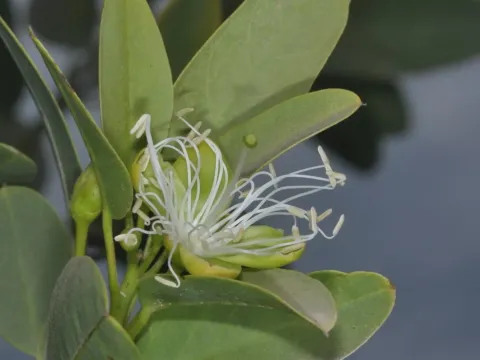
Anisocapparis
Anisocapparis
Anisocapparis is a genus of plants belonging to the Capparaceae family, adapted to survive in specialized environmental niches. It is considered a niche crop with potential in dryland agriculture.
What the section contains

Anisocapparis
The optimal sowing time occurs in spring when the soil temperature consistently reaches 18 to 22 degrees Celsius, which is critical for seed germination success.
Seeds of the genus are often characterized by dormancy; therefore, physical or chemical scarification is recommended to improve the uniformity of sprout emergence.
The sowing depth should be minimal, as these plants generally require warmth and exposure to light at the soil surface for optimal initial seedling development.
Maintenance during the early stages requires careful monitoring to ensure that young seedlings are not outcompeted by weeds, which grow much faster in favorable conditions.
This crop is highly heliophilic, requiring maximum direct sunlight exposure to maintain its physiological processes and develop strong, healthy tissues.
Soil requirements focus on excellent drainage; these plants thrive in gravelly, sandy, or rocky substrates where water cannot accumulate near the root system.
The chemical composition of the soil should be neutral or slightly alkaline, as excessive acidity can limit the availability of key nutrients for this specific genus.
The plant demonstrates remarkable drought tolerance, possessing morphological adaptations that allow it to conserve moisture during extended periods of water scarcity.
In temperate zones, cultivation must be restricted to greenhouse environments where precise control over humidity and temperature levels can be achieved.
Yield potential for Anisocapparis is directly correlated with the length of the growing season and the intensity of solar radiation received by the crop.
Under controlled conditions with optimal irrigation, the plant can produce significant biomass compared to its wild counterparts, although growth rates remain moderate.
Productivity is limited by the plant's metabolic pace, which is naturally slow to favor energy storage and survival over rapid vegetative growth.
Current agricultural efforts focus on selecting genotypes that exhibit faster maturity and higher seed or fruit yields under semi-arid field conditions.
Consistent harvest is possible only after the plant establishes a deep root system, which usually takes at least one full season of maturation.
The primary threats to crop health are associated with fungal pathogens that thrive in stagnant, humid environments, such as Pythium or Phytophthora root rot.
Pests such as spider mites and aphids are frequently observed, particularly in high-temperature environments that favor the rapid proliferation of sucking insects.
Weed management is a critical factor, as wild grasses and broadleaf weeds can easily overwhelm the slow-growing seedlings of the Anisocapparis species.
Monitoring for signs of leaf yellowing or stunted development is essential, as these are often the first indicators of nutrient imbalance or pest infestation.
Integrated pest management, utilizing biological controls and selective biopesticides, is recommended to protect the crop without compromising environmental quality.