
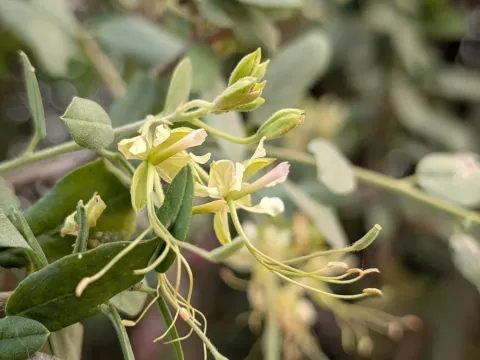
Cadaba
Cadaba
Cadaba is a genus of evergreen shrubs and small trees belonging to the Capparaceae family. These plants are native to arid regions of Africa, Asia, and the Arabian Peninsula, having evolved specific traits to survive in desert and semi-desert environments.
What the section contains


Cadaba
Botanically, Cadaba is recognized for its xerophytic nature. The plants typically feature leathery leaves and a robust, deep-reaching root system, which is essential for capturing moisture in environments where surface water is scarce.
The plant requires well-drained, sandy, or rocky soil types. Proper aeration is crucial; therefore, the most significant requirement for cultivation is to avoid waterlogged conditions, as excess moisture in the root zone quickly causes root rot.
Cadaba thrives in intense heat and full solar radiation. It is highly adapted to temperatures exceeding 35 degrees Celsius, making it an excellent candidate for stabilizing soil in harsh climates where typical crops fail.
The species is also known for its salt tolerance, which enhances its potential for use in land reclamation projects or as a windbreak in saline soils of arid coastal or desert regions.
In terms of agricultural utility, Cadaba serves primarily as an essential fodder reserve for livestock, particularly camels and goats, in drought-stricken areas where traditional grasses are unavailable.
The plant holds medicinal value, with various traditional practices utilizing extracts from leaves and roots to treat inflammatory conditions. Ongoing research focuses on identifying specific alkaloids and flavonoids for potential pharmaceutical development.
Cadaba is highly regarded for its ecological role as a honey plant. Its flowering period provides vital nectar for pollinators, thereby maintaining the balance of the local ecosystem in otherwise inhospitable lands.
The dense structure of the shrub allows it to function effectively as a living fence or protective barrier. It slows down wind speed, thereby reducing wind-driven erosion and protecting surrounding crops from encroaching desert sand.
While industrial timber use is limited due to slow growth rates, the wood remains a locally used fuel source, highlighting the plant's multiple contributions to survival strategies in rural arid communities.
Common pests include specific insect larvae from the butterfly family, which feed on the foliage of the Capparaceae species. Under cultivation, aphid infestations may occur if the plant is stressed by environmental factors.
Fungal infections, particularly root rot, represent the most significant threat to plant health, almost exclusively resulting from improper irrigation or lack of soil drainage during periods of high humidity.
Parasitic plants like dodder (Cuscuta) represent a notable threat, as they attach to the stems and divert nutrients, which can severely weaken the shrub and make it susceptible to secondary infections.
Overgrazing remains the primary anthropogenic threat to wild populations. Uncontrolled browsing by livestock often consumes younger plants before they have the chance to establish, preventing natural population regeneration.
Climate change and desertification continue to put pressure on native habitats, testing the plant's resilience. Protecting established stands of Cadaba is critical for maintaining biodiversity in vulnerable arid landscapes.