
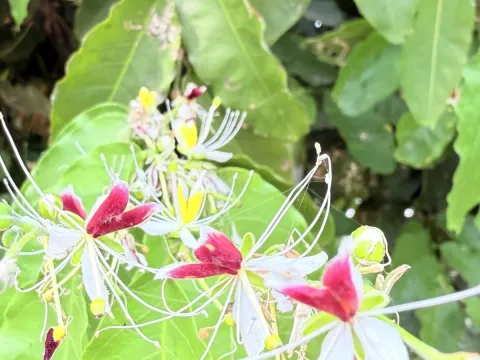
Caper
Capparis
Sowing of caper seeds (Capparis spinosa) is conducted in spring when the soil has sufficiently warmed. The seeds feature a hard seed coat, often requiring stratification for 2-3 months at low temperatures or pre-soaking in growth stimulants to improve germination rates.
What the section contains

Caper
In commercial operations, vegetative propagation via cuttings is preferred due to the low germination success of seeds. Cuttings are planted in protected environments or nurseries, maintaining stable temperature and humidity until root development occurs.
When using the seed method, beds are prepared in advance by weeding and incorporating organic fertilizers. The sowing depth should generally not exceed 1-2 centimeters to ensure the sprouts can easily break through the soil surface.
Optimal spacing between individual plants is at least 1.5–2 meters. This distance is necessary for proper air circulation and to facilitate manual access for the labor-intensive harvesting of the flower buds.
During the first year post-planting, the crop requires careful moisture monitoring, as the root system is still developing and lacks the deep reach necessary to self-sustain during periods of drought.
The caper is a light-loving, drought-tolerant shrub native to the Mediterranean and Central Asia. It is perfectly adapted to hot, dry climates and performs poorly in waterlogged soil conditions.
The crop favors rocky, sandy, or loamy soils with excellent drainage capabilities. Water stagnation is fatal for caper plants, as it rapidly induces decay in the sturdy taproot system.
Plants thrive in lime-rich soils, which is typical for their natural habitat. They exhibit remarkable resilience, surviving in extremely nutrient-poor soils where most other agricultural crops would fail to yield.
The optimal temperature range for vegetation is between +25 and +35 degrees Celsius. The plant is highly resistant to direct sunlight and intense solar radiation, which contribute to the concentration of essential oils in the buds.
During winter, the plant enters dormancy, tolerating brief frosts; however, temperatures below -10 degrees Celsius can cause significant damage to the above-ground biomass, necessitating local adaptation of the plant.
The yield of capers is directly dependent on the age of the bush and the intensity of the care provided. The productive phase typically begins 2-3 years after planting and can span several decades given the shrub's perennial nature.
The primary marketable product consists of the unopened flower buds. On average, one mature bush can produce between 2 to 5 kilograms of raw material per season under favorable growing conditions.
The frequency of harvesting influences the plant's production capacity: regular removal of mature buds encourages the plant to continue flowering throughout the duration of the hot summer period.
Yield is also influenced by planting density; when managed correctly per hectare, significant outputs can be achieved, although the manual labor requirements remain a major limiting factor in large-scale operations.
The quality of the crop is determined by bud size, with the smallest buds being the most highly valued due to their delicate texture and intense flavor, making precise sorting an essential post-harvest step.
Capers are considered a resilient crop, though they are susceptible to fungal diseases in conditions of high air humidity. Powdery mildew is a frequent issue occurring when agronomic standards are violated.
Among pests, insects that damage young leaves and flower buds, such as aphids and weevils, pose the greatest threat. Buds damaged by pests are rendered unsuitable for commercial pickling or sale.
For pest management in organic agriculture, biological agents are employed, as chemical insecticides can negatively affect the ecological safety of the produce intended for human consumption.
Root rot remains the most dangerous pathogen, developing in heavy, poorly drained soils. Prevention relies on strict irrigation management and the selection of plots with natural drainage slopes.
Proper site selection with good aeration and maintaining correct plant spacing significantly reduces the risk of disease spread, minimizing the need for active chemical intervention.
Harvesting capers is an intensive process that must be performed entirely by hand. Buds are gathered daily or every other day during the early morning hours, while they remain tightly closed.
The size criterion is vital: buds should be small, typically 5 to 10 millimeters in diameter. Buds that have started to open lose their commercial value and possess a noticeably coarser texture.
Post-harvest, the buds undergo mandatory sorting by size and quality. Calibration is a critical phase, as market pricing is heavily tiered based on product dimensions: the smaller the caper, the higher the price.
Freshly harvested buds are not suitable for immediate consumption due to the high levels of the glycoside capparin, which imparts a strong bitterness. Consequently, they are processed through drying and curing in brine or salt.
The fermentation process in brine lasts from several weeks to several months, during which the product acquires its characteristic piquant flavor and aroma, finally becoming safe for culinary use.