
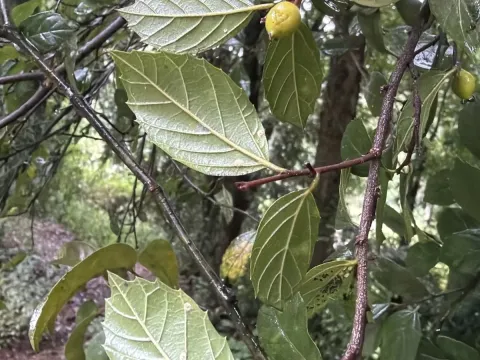
Aphananthe
Aphananthe
Aphananthe is a genus of trees belonging to the family Cannabaceae. These plants are primarily native to warm-temperate and tropical regions of Asia, Africa, and Australia, flourishing in diverse forest ecosystems.
What the section contains


Aphananthe
To cultivate Aphananthe effectively, one must ensure a substrate that is rich in organic matter and possesses excellent drainage capabilities. The plant thrives in environments where soil moisture levels are consistent but not excessive, as waterlogging is detrimental to the root system.
Regarding climate, these trees require moderate to high temperatures. While some species show adaptation to temperate zones, the most vigorous growth occurs in areas that do not experience harsh, sustained frost, emphasizing the need for sheltered planting sites.
Agrotechnical management includes regular fertilization using balanced mineral or organic compounds during the active growing season. Adequate spacing between trees is crucial to promote optimal air circulation and light penetration, which are vital for healthy foliage development.
The economic utility of Aphananthe is largely tied to its timber. The wood is recognized for its durability, hardness, and fine grain, making it highly suitable for high-end furniture manufacturing, construction beams, and specialized carpentry projects.
Aphananthe is occasionally susceptible to fungal leaf spots and infestations by sap-sucking insects like scales or mites. Implementing integrated pest management strategies, including the removal of infected foliage and timely application of protective sprays, ensures the longevity of the stand.