
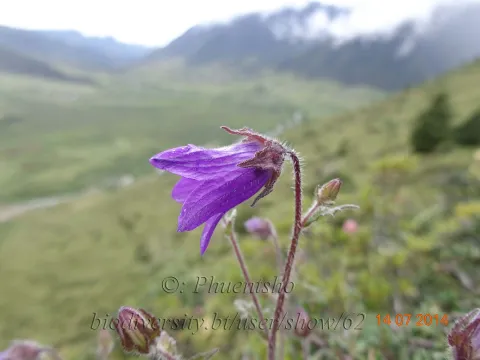
Pale bellflower
Campanula pallida
The Pale bellflower (Latin Campanula pallida) is a perennial herbaceous plant belonging to the Campanulaceae family. In agricultural and horticultural settings, seeds are typically sown in early spring, from April to May, once the soil has sufficiently warmed up.
What the section contains
Pale bellflower
For indoor propagation, seeds should be sown in late winter in a well-draining, fine-textured substrate. It is essential not to bury the seeds, as they require exposure to light to germinate effectively within 14–21 days.
Maintaining a stable environment with temperatures between 18 and 22 degrees Celsius is crucial for consistent emergence. Once the seedlings reach the two-leaf stage, they should be carefully pricked out and transplanted into larger containers.
Direct field sowing requires the surface to be cleared of weeds and debris. Seeds are broadcasted lightly and pressed into the soil to ensure good contact without burying them too deeply.
Hardening off the seedlings before transplanting them into the final site is a vital step in ensuring their long-term survival in outdoor conditions, especially in regions with fluctuating spring temperatures.
This species thrives in locations with partial shade or filtered sunlight. While it can tolerate full sun in cooler northern climates, it requires protection from intense heat in warmer regions to prevent foliage scorch.
The soil must be fertile, moist, and well-drained. The ideal substrate has a slightly alkaline or neutral pH, which supports the plant's nutrient uptake processes throughout its active growth cycle.
Proper aeration is essential for the root system; heavy, compacted soils should be amended with organic compost or coarse sand. Avoiding soil saturation is critical, as stagnant water will inevitably lead to root decay.
Regular but moderate irrigation is required throughout the growing season. It is best to water the soil directly at the base of the plant to keep the leaves and flowers dry, thereby reducing the risk of fungal infections.
A balanced fertilizer application during the early vegetative stage provides the nutrients necessary for robust growth. Once flowering begins, switching to a potassium-rich fertilizer can improve the quality and duration of the blooms.
Fungal diseases such as powdery mildew and leaf spot are common threats when plants are exposed to poor air circulation or excessive moisture. Pruning for space and removing infected leaves are standard preventative measures.
Root rot is the most significant threat to the plant's health and is directly linked to inadequate soil drainage. If symptoms appear, immediate action must be taken to correct drainage or improve the soil structure.
Slugs and snails are the primary pests that damage the succulent foliage and shoots. Integrated pest management strategies, including manual removal and the use of physical barriers, are highly effective.
Aphids can cause significant damage by feeding on young flower buds and tender stems, causing stunted growth. Application of systemic insecticides or neem oil is often recommended when infestation levels cross the economic threshold.
Nematode infestations can destroy the root system from within. To prevent spread, it is crucial to use clean soil mixes and ensure that all planting equipment is sterilized after use in affected areas.